How I Turned My Hobby Into a Smarter Investment Game
What if the things you love doing could also help grow your money? I used to see hobbies as just expenses—until I realized they could be gateways to smarter financial moves. This is the story of how I shifted from spending mindlessly to investing meaningfully through passion. No get-rich-quick schemes, just real strategies that align fun with long-term value. Let me show you how everyday interests can become powerful tools for wealth building. It started with a simple question: Why does something that brings so much joy often leave my wallet lighter without anything lasting to show for it? The answer wasn’t to stop enjoying life, but to rethink how I engaged with my passions—financially, emotionally, and strategically.
The Hidden Cost of Hobbies—and the Opportunity Behind Them
Hobbies are often celebrated as essential to well-being, offering relief from daily routines and a space for personal expression. Yet, few people pause to consider their true financial footprint. The reality is that many hobbies carry recurring costs—sometimes subtle, sometimes significant—that accumulate over time. A weekly pottery class, a monthly model train supply order, or annual travel to niche festivals may seem minor in isolation, but when tracked over years, these expenses can rival major budget categories like dining out or even small vacations. The first step toward transforming your hobby into a financial asset is recognizing it not as a mere cost center, but as a pattern of spending worthy of scrutiny.
Understanding the full cost of a hobby requires more than just adding up receipts. It involves assessing both direct and indirect expenses. Direct costs include materials, tools, memberships, and event fees. Indirect costs might involve storage space, maintenance, transportation, or even time that could be spent on income-generating activities. For example, restoring vintage furniture may require not only wood finishes and hardware but also dedicated workspace and hours of labor. When these elements are tallied, what once seemed like an affordable pastime might reveal itself as a substantial investment. But here’s the shift in thinking: instead of viewing this as a problem, consider it an opportunity. Every dollar spent on a hobby represents a choice—one that can be redirected toward purchases with lasting value.
The transformation begins with awareness. By tracking hobby-related spending over three to six months, individuals gain visibility into their habits and can identify where money flows most heavily. This process mirrors the early stages of financial planning, where budgeting and categorization lead to better decision-making. Once the data is clear, questions naturally arise: Which purchases bring long-term satisfaction? Which ones are quickly forgotten or replaced? This reflective practice turns leisure spending into a diagnostic tool, highlighting areas where small changes can yield big results. Rather than cutting back out of guilt, the goal becomes optimizing—spending with intention, choosing quality over quantity, and aligning purchases with both personal joy and financial sense.
At this stage, the mindset shifts from passive consumption to active stewardship. A hobby no longer drains resources; it becomes a lens through which financial habits are examined and improved. This awareness lays the foundation for the next step: turning passion spending into value-driven investing. When you begin to see your hobby not just as an outlet but as a potential contributor to your financial health, the relationship between enjoyment and money begins to change in meaningful ways.
From Passion Spending to Value-Driven Investing
Once the full cost of a hobby is understood, the next logical step is to reframe how that money is used. Instead of treating every purchase as a one-way transaction—money exchanged for temporary enjoyment—consider how those same funds could be invested in assets that appreciate, retain value, or even generate income. This doesn’t mean turning every hobby into a business, but rather making smarter buying decisions within the context of what you already love. The key lies in identifying which aspects of your hobby involve items with inherent or potential long-term worth. For instance, a photography enthusiast might upgrade from disposable accessories to high-quality lenses known for their durability and resale value. A board game collector could focus on limited editions that historically maintain or increase in market price.
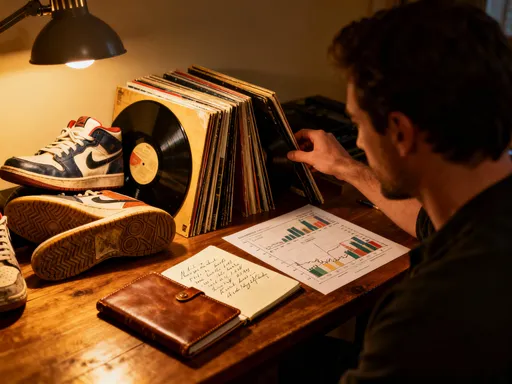
Value-driven investing through hobbies relies on a simple principle: spend on things that offer dual returns—immediate satisfaction and future financial benefit. This approach encourages prioritizing quality over convenience. A gardener, for example, might invest in heirloom seeds and premium tools that last decades rather than cheap alternatives replaced annually. Over time, these choices reduce long-term costs and build a collection of useful, valuable items. Similarly, a music lover who collects vinyl records can benefit from the growing market for well-preserved, rare pressings. By researching which albums or genres hold value, they transform casual listening into a form of tangible asset accumulation.
Not all hobbies lend themselves equally to this model, and that’s okay. The goal isn’t to force monetization where it doesn’t fit, but to identify natural alignment between passion and preservation. Activities involving physical goods—such as collecting, crafting, or restoring—often provide clearer paths to value retention. Even digital hobbies, like graphic design or music production, can benefit when investments are made in professional-grade software subscriptions or hardware that maintains utility and resale potential. The critical factor is intentionality: making purchases with both current use and future outcome in mind.
This shift doesn’t require large sums of money. In fact, starting small allows for learning without risk. A beginner might buy one high-quality item instead of several lower-tier ones, then monitor its condition and market value over time. This practice builds financial literacy in a low-pressure environment, where mistakes are lessons rather than losses. Over months and years, these thoughtful choices compound—not just in monetary terms, but in confidence and knowledge. As hobbyists become more discerning consumers, they naturally develop skills in research, evaluation, and patience—traits that directly support broader investment success. Passion spending, when guided by value, becomes a stepping stone to smarter financial behavior across all areas of life.
Building a "Play Portfolio" That Actually Works
The concept of a “play portfolio” reimagines part of your financial strategy as a space where personal joy and financial discipline coexist. Unlike traditional investment accounts focused solely on returns, a play portfolio includes tangible items tied to your interests—things you enjoy owning, using, or displaying, while also holding potential for appreciation. These might include rare sneakers, vintage cameras, limited-edition books, handmade instruments, or even curated fashion pieces from established designers. The defining feature of a play portfolio is that it’s not speculative; each addition is made with research, care, and a clear understanding of market dynamics. It’s investing with heart, but also with homework.
Creating a functional play portfolio starts with selection criteria. Not every hobby item qualifies. The best candidates share certain traits: they are durable, have a track record of demand, and are subject to factors like scarcity, craftsmanship, or cultural relevance. A classic wristwatch from a respected brand, for example, may retain value due to precision engineering and collector interest. A hand-thrown ceramic vase from a renowned artisan might appreciate as the artist’s reputation grows. These items are chosen not because they’re trendy, but because they meet measurable standards of quality and market viability. This selective process mirrors stock analysis, where fundamentals matter more than hype.
Once acquired, managing a play portfolio involves ongoing attention. Items should be stored properly—protected from moisture, sunlight, or damage—to preserve condition, which directly impacts value. Documentation, such as receipts, certificates of authenticity, or provenance records, adds credibility and eases future resale. Regular monitoring of market trends, through auction results, collector forums, or price guides, helps assess performance and informs timing for potential sales. This routine fosters financial awareness in a way that feels engaging rather than burdensome. Reviewing your collection becomes both a pleasurable activity and a practical review of asset health.
Perhaps the greatest benefit of a play portfolio is how it teaches core investment principles in a relatable context. Patience is learned by holding an item through market fluctuations. Emotional control is practiced by resisting the urge to sell during temporary dips. Research skills are sharpened by comparing models, brands, or editions before buying. These competencies transfer seamlessly to conventional investing, making the transition to stocks, bonds, or real estate feel less intimidating. Moreover, because the play portfolio is emotionally rewarding, it increases engagement with financial management overall. People who might avoid checking retirement accounts regularly may eagerly track the value of their vintage bicycles or rare coins. In this way, the play portfolio doesn’t replace traditional investing—it strengthens it by making financial discipline enjoyable and sustainable.
Risk Control: Why Emotional Spending Needs Guardrails
One of the greatest challenges of passion-based investing is managing emotional attachment. When an item connects to personal joy, identity, or nostalgia, objective decision-making can become difficult. It’s easy to justify overspending on a “dream piece” or to hold onto an asset long after its market peak, hoping sentiment will translate into value. This emotional bias introduces real financial risk. Without safeguards, what begins as a fun, value-building activity can turn into a source of loss. That’s why establishing clear guardrails is essential to maintaining both financial health and the integrity of the hobby itself.
Effective risk control starts with predefined rules. Before making any purchase, set a spending limit based on your overall budget and the item’s historical pricing. Research recent sale prices from reputable sources to avoid overpaying. Establish criteria for selling—such as a target return, a time horizon, or signs of declining demand—and commit to following them. These rules create structure around emotionally charged decisions, reducing the likelihood of impulsive actions. They serve as a financial compass, guiding choices even when feelings run high. For example, a collector might decide never to spend more than 15% of their annual hobby budget on a single item, or to sell if an asset hasn’t appreciated within three years.
Another powerful tool is separation—both physical and psychological. Consider maintaining a dedicated account or envelope budget specifically for passion investments. This isolates the spending, preventing it from bleeding into other financial goals like emergency savings or retirement contributions. It also creates a clearer picture of how much capital is tied up in hobby-related assets. Regular audits, conducted quarterly or annually, help evaluate performance. Are items holding or increasing in value? Are storage or maintenance costs becoming excessive? These reviews encourage honest assessment and prevent the accumulation of financial drag disguised as sentimental value.
Perhaps most importantly, guardrails protect the joy of the hobby. When spending stays within reasonable bounds, the activity remains a source of relaxation rather than stress. There’s no anxiety about debt, no regret over poor decisions, and no pressure to sell at a loss. The hobby stays fun because it’s sustainable. Emotional spending isn’t eliminated—it’s channeled. Love for the activity fuels careful research, thoughtful acquisition, and disciplined management. In this balanced state, passion and prudence coexist, allowing both personal fulfillment and financial responsibility to thrive.
Turning Skills into Side Gains—Without Burning Out
Many hobbies involve skills that, when shared, can generate modest income without transforming leisure into labor. The key is approaching monetization with restraint—focusing on low-pressure, sustainable opportunities that complement rather than consume the original joy. For instance, someone skilled in woodworking might repair furniture for neighbors, sell custom cutting boards at local markets, or offer occasional workshops at community centers. A knitter could create seasonal pieces for sale online or teach a beginner class at a library. These activities generate returns without demanding full-time commitment, preserving the essence of the hobby while adding financial benefit.
The most effective side gains emerge naturally from existing habits and expertise. They require minimal setup, rely on tools and materials already owned, and fit into free time without creating burnout. Unlike launching a full business, these micro-opportunities thrive on simplicity and flexibility. There’s no need for branding, advertising, or customer service systems. Transactions can be occasional and informal—barter, direct sales, or small commissions. This keeps the barrier to entry low and the emotional cost minimal. The focus stays on exchange rather than profit maximization, making the process feel generous rather than transactional.
Even small earnings can have a meaningful impact when reinvested wisely. Earnings from a photography print sale might fund a better lens. Income from tutoring guitar could cover sheet music or instrument maintenance. Over time, these circular flows create a self-sustaining model: the hobby funds itself, reducing reliance on external budgets. This financial independence enhances enjoyment, removing the guilt sometimes associated with spending on leisure. More importantly, it builds resilience. Unexpected expenses, like a broken tool or rising material costs, become easier to absorb when there’s a small income stream tied to the activity.
Crucially, the goal is not scalability. There’s no pressure to grow, hire help, or meet customer demands. The value lies in balance—earning enough to support the hobby without turning it into a job. This model respects the emotional role of leisure while quietly strengthening financial stability. It also fosters a mindset of resourcefulness, where skills are seen not just as personal achievements but as potential contributors to household finances. Over time, this quiet integration of passion and practicality becomes a cornerstone of long-term financial well-being.
When to Walk Away—Knowing the Exit Signs
Just as important as knowing how to begin is knowing when to step back. Not every hobby will deliver financial returns, and not every passion will last a lifetime. Holding on too long—due to emotional attachment or hope of future gains—can lead to wasted time, money, and energy. Sound financial management includes the discipline to recognize when an activity is no longer serving its purpose, whether personal or economic. Letting go is not failure; it’s a strategic reallocation of resources toward better opportunities.
Several signals indicate it may be time to exit. A sustained decline in personal interest is one of the clearest. If the hobby no longer brings joy, the emotional return diminishes, leaving only financial cost. Rising maintenance or supply expenses that outpace value growth are another red flag. Similarly, if asset values remain flat or decline over multiple years despite market conditions, the investment case weakens. Other signs include lack of time, physical strain, or social isolation caused by the activity. These factors, while not purely financial, affect overall well-being and should inform decisions.
Exiting wisely involves planning. Selling assets while demand still exists ensures better returns. Waiting too long can result in fire-sale prices or the need to donate items at a loss. A structured approach—such as listing items gradually, using trusted platforms, or consigning through specialists—maximizes recovery. Proceeds should be redirected toward new interests, debt reduction, or core financial goals. This closes the loop, turning past passion into future possibility.
The ability to walk away reflects mature financial thinking. It rejects the sunk-cost fallacy—the idea that past investment obligates continued commitment—and embraces agility. Just as a diversified investment portfolio evolves with market conditions, a personal portfolio of interests should adapt to life changes. Letting go frees up not just money, but mental and physical space. It makes room for new passions, new learning, and new opportunities to grow—both personally and financially. In this light, ending one chapter isn’t loss; it’s the necessary step before beginning another.
The Bigger Picture: How Passion Investments Shape Financial Wisdom
Integrating hobbies into financial life goes beyond generating returns—it cultivates a deeper relationship with money. When investing feels personal, it becomes more engaging, more understandable, and ultimately more effective. Passion-based financial strategies teach patience, research, and risk assessment in a context that feels safe and meaningful. These lessons don’t stay confined to the play portfolio; they spill over into broader money habits. Budgeting becomes less about restriction and more about alignment with values. Saving feels purposeful when linked to tangible goals. Investing stops being abstract and starts feeling like stewardship.
Over time, this approach builds confidence. People who once avoided financial conversations begin tracking asset performance, comparing market trends, and making informed decisions. They learn to distinguish between emotional impulses and strategic moves. They develop resilience in the face of volatility, knowing that setbacks are part of any long-term plan. Most importantly, they stop seeing money as a source of stress and start viewing it as a tool for living intentionally. This shift in perspective is the true return on investment—one that compounds across decades.
Financial wisdom isn’t just about numbers; it’s about behavior. And behavior changes most effectively when tied to what matters personally. A hobby turned into a thoughtful investment practice becomes more than a pastime—it becomes a training ground for smarter money management. It proves that discipline and joy are not opposites, but allies. That wealth isn’t built solely through sacrifice, but also through mindful engagement with what you love. In the end, the most valuable asset isn’t the rare item sold at a profit, but the knowledge, clarity, and confidence gained along the way. That’s how passion doesn’t just fund your life—it transforms it.