Behind the Steel: Bilbao’s Hidden Cultural Pulse
You know what I didn’t expect in Bilbao? A city where steel mills breathe art and every alley hums with creative energy. Far from just the Guggenheim’s titanium curves, I stumbled on underground galleries, neighborhood fiestas bursting with Basque rhythm, and workshops where tradition isn’t preserved—it’s reinvented. This isn’t just tourism; it’s cultural immersion with soul. Let me take you where guidebooks don’t.
Beyond the Guggenheim: Rediscovering Bilbao’s Cultural Identity
Bilbao’s transformation over the past three decades has often been framed by one landmark: the Guggenheim Museum. Opened in 1997, the museum’s shimmering titanium façade became a global symbol of urban renewal, drawing millions of visitors and revitalizing a city once burdened by industrial decline. While its impact is undeniable, focusing solely on the Guggenheim risks reducing Bilbao’s cultural narrative to a single moment of architectural triumph. The deeper story lies in what emerged afterward—not just a new museum, but a city-wide reawakening of identity, creativity, and communal pride.
Once defined by shipbuilding, steel, and heavy manufacturing, Bilbao faced economic collapse in the late 20th century as global markets shifted and factories closed. The Guggenheim acted as a catalyst, but the true transformation was organic, community-driven, and deeply rooted in the Basque people’s resilience. Artists, musicians, and craftspeople began reclaiming spaces, repurposing forgotten corners, and reimagining what culture could mean in a post-industrial city. This shift was not about erasing the past, but honoring it—using the skeleton of industry as a foundation for something new.
Today, Bilbao stands as a model of cultural regeneration that goes beyond spectacle. The city’s identity is no longer measured solely by international acclaim but by the vitality of its neighborhoods, the persistence of its traditions, and the innovation of its local creators. While the Guggenheim remains a must-see, the real pulse of Bilbao beats in quieter, more intimate places—where art is not just displayed but lived, where festivals are not performed for tourists but celebrated by families, and where craftsmanship is not a museum exhibit but a daily practice.
The Rise of Underground Art Spaces in Former Factories
Scattered across Bilbao’s riverbanks and industrial peripheries are the remnants of a bygone era—brick warehouses with broken windows, cavernous foundries with rusted beams, and long-abandoned storage units with peeling paint. Once symbols of economic hardship, these spaces now pulse with creative life. Artists and collectives have moved in, transforming derelict sites into dynamic cultural laboratories where experimentation thrives without the constraints of formal institutions.
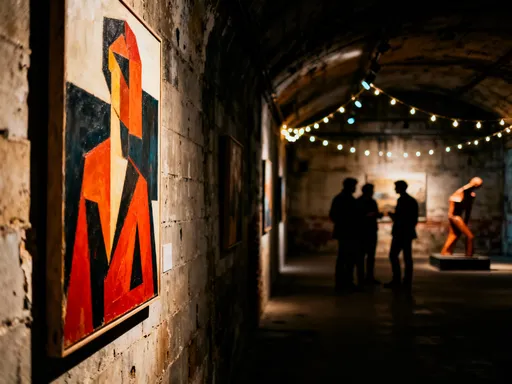
One such space is the former metalworks complex in the Rekalde district, now known informally as Kunsthal 2.0. Without official funding or permanent exhibitions, this artist-run hub hosts rotating installations, multimedia performances, and collaborative workshops. The environment is raw—exposed pipes, concrete floors, natural light filtering through cracked skylights—creating an atmosphere that feels both urgent and authentic. Unlike the polished galleries of the city center, these underground venues prioritize process over presentation, allowing visitors to witness art in its most unfiltered form.
Another example can be found in the Sestao area, where a decommissioned steel plant now houses Arteka Lab, a nonprofit initiative supporting emerging Basque artists. Here, large-scale sculptures rise from former assembly lines, sound installations echo through old boiler rooms, and dance troupes rehearse in what was once a maintenance yard. These spaces are not designed for comfort; they are designed for expression. The industrial past is not hidden—it is embraced, its textures and scale becoming part of the artwork itself.
What makes these underground art spaces so compelling is their accessibility and informality. Admission is often free or by donation, and opening hours are fluid, sometimes announced only through word of mouth or social media. This unpredictability adds to their allure, rewarding curious travelers who are willing to explore beyond the usual routes. More importantly, these venues foster a sense of inclusion, where locals and visitors alike can engage in dialogue, attend artist talks, or even contribute to ongoing projects.
Neighborhood Festivals: Where Tradition Meets Street Energy
If you want to feel the heartbeat of Bilbao, visit during one of its neighborhood fiestas. These annual celebrations are not staged for tourism brochures; they are deeply rooted in community life, passed down through generations, and infused with the spirit of Basque identity. In districts like Txonta, San Francisco, and Begoña, entire streets come alive with music, dance, food, and spontaneous gatherings that last late into the night.
The Fiesta de San Antón in January, for instance, centers around the veneration of Saint Anthony, the patron saint of animals. Locals parade decorated dogs through the streets, bonfires light up plazas, and traditional drumming groups known as txistularis perform rhythmic beats that echo off stone buildings. The atmosphere is joyous and inclusive, with families roasting chestnuts over open flames and sharing glasses of local cider. While the religious origins remain, the celebration has evolved into a broader expression of community resilience and seasonal renewal.
Similarly, the Fiesta de la Virgen de Begoña in August draws thousands to the Basilica and surrounding neighborhoods. Pilgrims walk from nearby towns, some barefoot, to honor the city’s patroness. But beyond the solemn processions, the festival unfolds as a vibrant street carnival—market stalls sell handmade crafts, children play traditional games, and folk dancers in embroidered costumes perform the aurresku, a dignified dance of honor. The music is constant: accordion, tambourine, and the deep resonance of Basque drums filling the air like a living rhythm.
These festivals are not performances for outsiders; they are lived experiences. Visitors are welcome, but participation requires respect. It’s important to observe first, ask before taking photos, and follow local customs—such as removing hats during processions or greeting elders with a nod. When travelers approach these events with humility, they are often warmly included, offered food, or invited to join a dance circle. It’s in these moments that cultural exchange becomes genuine, not transactional.
Hidden Workshops: Craftsmanship Alive in the Backstreets
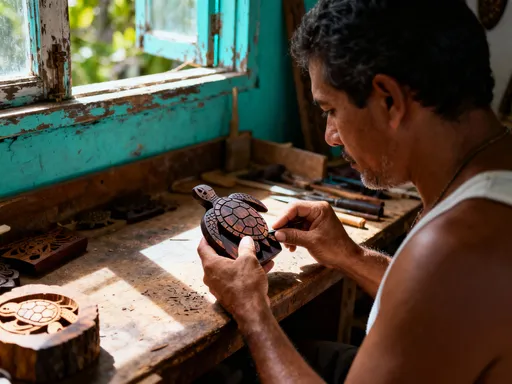
Wander beyond the main avenues of Casco Viejo, and you’ll find narrow alleys where the clang of hammers and the scent of wood shavings still linger. These are the workshops of Bilbao’s artisans—small, family-run ateliers where tradition is not preserved behind glass but practiced daily with skill and pride. From blacksmithing to cider-making, from lace weaving to pottery, these craftspeople are the quiet guardians of Basque heritage.
In the Atxuri neighborhood, a fourth-generation ironworker named Jon runs a modest forge tucked between a bakery and a laundromat. His workshop, lit by a single hanging bulb, is filled with tools passed down from his grandfather. Here, he creates everything from ornate balcony railings to custom knives, using techniques unchanged for over a century. What sets Jon apart is his openness to visitors—by appointment, he welcomes small groups to observe his process, explain the properties of different metals, and even try their hand at shaping a simple piece under his guidance. These hands-on experiences are not performances; they are apprenticeships in miniature, offering a rare connection to a vanishing craft.
Not far away, in the Deusto district, a small cidrera (cider house) operates out of a converted garage. Unlike the large commercial producers, this family presses apples from their own orchard, ferments the juice in wooden barrels, and serves it in the traditional Basque way—pouring from height to aerate the drink. Visitors can tour the cellar, taste different vintages, and learn about the seasonal rhythms of cider-making, which peaks in winter and early spring. The owners don’t advertise online; they rely on local word of mouth and occasional visits from curious travelers who’ve heard whispers of their craft.
Textile artisans also thrive in hidden corners of the city. In a second-floor studio above a bookstore, a mother-daughter duo creates intricate lace using a technique known as bilbaína, unique to the region. Their patterns, inspired by maritime motifs and floral designs, are stitched slowly by hand, each piece taking weeks to complete. They offer occasional workshops where guests can learn basic stitches, take home a small sampler, and gain appreciation for the patience and precision required. These experiences are not about buying souvenirs; they are about understanding the value of time, skill, and continuity.
Bilbao’s Independent Music and Performing Arts Scene
While the city’s concert halls host world-class orchestras and touring acts, a more intimate and adventurous music scene thrives in basements, converted garages, and community centers. This underground network is where Bilbao’s younger generation experiments with sound, blends genres, and sings in Euskara, the Basque language. Jazz fusion, electronic improvisation, folk-rock reinterpretations, and spoken-word poetry are all part of the mix.
Venues like Sala BBK and Kafe Antzokia are well-known, but the real discoveries happen in smaller spaces. A former printing press in Abando now doubles as Zarate Live, a listening room where acoustic sets by emerging singer-songwriters draw devoted crowds. The atmosphere is hushed, reverent—audiences listen closely, often sitting on the floor. Performances are announced weeks in advance on Instagram or through local radio, and tickets, when they exist, are modestly priced.
Equally compelling is the city’s experimental theater scene. In a repurposed schoolhouse in the Ibaiondo district, a youth collective called Teatro Abierto stages original productions that blend physical theater, projection art, and multilingual dialogue. Their works often explore themes of identity, migration, and memory, resonating deeply with a generation navigating globalization while holding onto local roots. Shows are performed in rotating languages—sometimes Basque, sometimes Spanish, occasionally with English subtitles—and are followed by open discussions with the audience.
What unites these performances is spontaneity and intimacy. There are no grand marquees or VIP sections. You arrive early to claim a seat, chat with the performers afterward, and leave with a sense of having witnessed something fleeting and precious. For travelers, discovering one of these shows is like finding a secret handshake—proof that you’ve gone beyond the surface and tapped into the city’s creative bloodstream.
Practical Tips for Experiencing Bilbao’s Secret Culture
Engaging with Bilbao’s hidden cultural pulse requires curiosity, flexibility, and a willingness to step off the beaten path. Unlike major tourist attractions with fixed hours and guided tours, these experiences are often informal, seasonal, or communicated through local channels. A few practical strategies can help travelers connect more meaningfully with the city’s authentic offerings.
Timing is crucial. Plan your visit around key cultural moments: January for San Antón, August for Begoña festivities, or late autumn for cider-pressing season. These periods offer the highest concentration of grassroots events, though they also attract more visitors. For quieter access, consider late spring or early fall, when workshops are active and outdoor markets are in full swing.
To find underground exhibitions or pop-up performances, follow local artist collectives on Instagram or Facebook. Accounts like @bilbaoartmap, @basquecreatives, and @rekaldeopenstudio regularly post about open studio days, group shows, and community events. Local libraries and cultural centers often have printed flyers or bulletin boards listing upcoming activities in both Basque and Spanish. Don’t hesitate to ask—many shop owners, café staff, and taxi drivers are happy to point you toward neighborhood happenings if you show genuine interest.
Language is not a barrier, but a little effort goes a long way. Learning basic Basque greetings like Kaixo (hello) or Mil esker (thank you) is appreciated and can open doors. In conversations, a smile and a respectful tone matter more than fluency. When attending local events, observe first, avoid intrusive photography, and participate only when invited. These communities value authenticity over spectacle, and respectful engagement is always rewarded.
Transportation in Bilbao is efficient and safe. The metro, designed by Norman Foster, is easy to navigate, with signs in both Spanish and Basque. For deeper exploration, rent a bicycle or walk—the city is compact, and its hills offer panoramic views between neighborhoods. Most areas frequented by locals are safe day and night, but as with any urban environment, stay aware of your surroundings, especially in less-lit streets after dark.
Why Authentic Cultural Travel Matters
In an age of curated Instagram feeds and checklist tourism, Bilbao’s hidden culture offers a powerful alternative: travel as connection, not consumption. When we seek out underground galleries, join neighborhood fiestas, or learn from local artisans, we move beyond observation into participation. We stop being spectators and become witnesses to living traditions, contributors to cultural continuity.
Authentic cultural travel matters because it sustains communities. Every euro spent at a family-run cidrera, every hour spent in a craft workshop, every respectful interaction at a local festival supports the people who keep these traditions alive. It shifts the economy from mass tourism to meaningful exchange, ensuring that culture is not diluted for convenience but strengthened through appreciation.
Bilbao’s transformation was never just about architecture or global fame. It was about dignity—about a city reclaiming its identity after industrial decline and choosing creativity as its compass. The Guggenheim may have put Bilbao on the map, but its soul resides in the quiet workshops, the spontaneous street music, the generations-old recipes, and the unpolished spaces where art grows wild.
For the thoughtful traveler, especially those who value depth, resilience, and human connection, Bilbao offers a profound lesson: that the most enduring beauty often lies beneath the surface. It asks us to look closer, listen longer, and travel with intention. In doing so, we don’t just see a city—we feel it, remember it, and carry a piece of it forward.