Chasing Light and Stone: How Arches National Park Became My Ultimate Photography Obsession
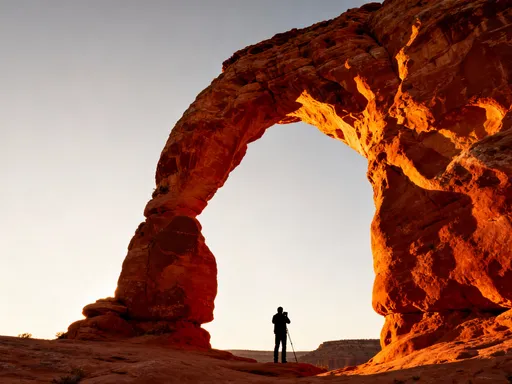
You know that feeling when nature just stops you in your tracks? That’s exactly what happened when I first saw the golden glow on Delicate Arch at sunset. Arches National Park isn’t just a destination—it’s a living canvas. Between the surreal rock formations and the ever-changing desert light, every shot tells a story. And what I didn’t expect? The incredible souvenirs that actually make those memories last. In a world where travel often blurs into a series of fleeting moments, photography became my anchor. It allowed me to slow down, to truly see, and to carry a piece of this sacred place home—not just in my heart, but in my hands.
The Magic of Arches Through a Lens
Arches National Park, nestled in the high desert of southeastern Utah, is a geological wonder that has drawn visitors for generations. With over 2,000 documented natural stone arches, it stands as one of the most concentrated displays of eroded sandstone formations on Earth. But for photographers, the park offers more than just numbers—it delivers an ever-evolving stage of light, shadow, and silence. Each arch, balanced rock, and canyon wall becomes a character in a visual narrative shaped by time and the elements. The park’s red rock landscape, carved over millions of years by wind, water, and ice, creates a terrain that feels both alien and deeply familiar, like a dream remembered upon waking.
What makes Arches especially compelling through a camera lens is the way light transforms the landscape throughout the day. At sunrise, the eastern faces of formations like Landscape Arch and North Window glow in soft pastels, their edges sharpened by long shadows. The morning light, low and golden, reveals textures in the Entrada sandstone—swirls and ripples frozen in time—that are nearly invisible under the harsh midday sun. By midday, the light flattens, bleaching colors and washing out contrast, which is why many experienced photographers use this time to hike or scout locations rather than shoot.
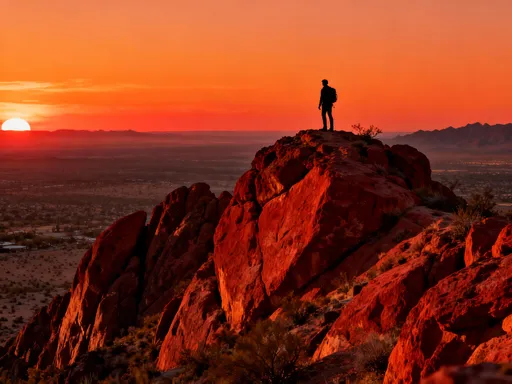
As the sun begins its descent, the park undergoes a second transformation. The golden hour before sunset bathes the western exposures in warm, honeyed light. Delicate Arch, the park’s most iconic formation, becomes a fiery silhouette against a deepening sky. This is when the stone seems to breathe, radiating warmth and depth. Twilight extends the magic, with lingering alpenglow painting the cliffs in shades of rose and violet. For photographers, these fleeting windows are not just opportunities—they are appointments with artistry. Planning around solar angles, using tools like photo planning apps, and understanding seasonal sun paths become essential practices for capturing the park’s full emotional range.
Seasonal shifts further diversify the photographic palette. In spring, brief rains bring ephemeral wildflowers—Indian paintbrush, desert marigold, and evening primrose—that add delicate color accents to the red rock. The air is clearer, and temperatures are mild, making early morning hikes both productive and comfortable. Summer brings intense heat and monsoon patterns, which can create dramatic cloud formations and sudden thunderstorms. While daytime shooting is often impractical, storm-clearing light in the late afternoon can produce some of the most dynamic images, with shafts of sunlight breaking through dark clouds like celestial spotlights.
Why Photography Elevates the Travel Experience
Bringing a camera into the wild is about more than preserving memories—it’s a way of deepening connection. When you travel with the intention to photograph, your pace changes. You stop more often. You notice the way light catches a dewdrop on a sagebrush leaf, the intricate grain of weathered sandstone, or the quiet flight of a raven across a canyon. This mindfulness transforms sightseeing into a form of meditation. Instead of rushing from one viewpoint to the next, you linger, observe, and engage with the environment on a sensory level that most tourists miss.
Photography encourages intentionality. Composing a shot requires decisions—about framing, depth of field, exposure, and timing. These choices force you to slow down and truly see. A wide-angle lens might capture the vastness of the Fiery Furnace, but a macro lens reveals the tiny crystals embedded in a rock surface, glittering like stars. This dual perspective—grand and intimate—creates a richer, more layered experience of place. Over time, photographers develop a heightened awareness of patterns, contrasts, and moments of balance, both in nature and within themselves.
Moreover, the images we create become emotional time capsules. Years later, a single photograph can transport us back to the cool desert air, the crunch of gravel underfoot, the smell of sun-warmed stone. For many visitors, especially women between 30 and 55 who often juggle family, work, and personal aspirations, these visual records offer a rare form of self-expression and reflection. A photo album or digital gallery becomes more than a collection of places—it becomes a personal archive of growth, resilience, and wonder. In this way, photography is not just a hobby, but a quiet act of preservation—of memory, of emotion, of the self.
There’s also a subtle empowerment in capturing one’s own journey. For women who may not always see themselves represented in adventure narratives, photographing their own experiences in wild places is a way of claiming space—both physically and emotionally. It’s a declaration: I was here. I saw this. I felt this. And I chose to remember it my way. This sense of agency, combined with the meditative focus of photography, makes it a uniquely fulfilling travel companion—one that enhances not just what we see, but who we become while seeing it.
Hidden Gems Only Photographers Know
While Delicate Arch draws thousands each year, those who seek quieter moments know that Arches’ true photographic treasures lie off the beaten path. The Windows Section, for instance, offers a cluster of massive arches—North Window, South Window, and Turret Arch—arranged like ancient sentinels in a natural amphitheater. At golden hour, the low sun passes directly through the openings, creating glowing frames within frames. The area is more accessible than Delicate Arch, yet far less crowded, making it ideal for long exposures and thoughtful compositions.
Another underappreciated gem is Partition Arch, located just beyond the Windows parking area. Unlike its more famous neighbors, Partition Arch stands in relative solitude, framed by smooth rock slabs and distant mesas. Its clean lines and balanced proportions make it a favorite among minimalist photographers. Midday light, often avoided elsewhere, works well here, emphasizing the arch’s crisp silhouette against a bright sky. A polarizing filter can deepen the blue and reduce glare on the stone, enhancing contrast without overpowering the scene.
For the adventurous, the Fiery Furnace offers one of the most immersive photographic experiences in the park. This labyrinth of narrow canyons, towering fins, and hidden arches requires a permit and a good sense of direction, but the rewards are extraordinary. The walls, sculpted by erosion into flowing curves and sharp ridges, create ever-changing patterns of light and shadow. Because the area is closed to casual hikers, photographers here enjoy solitude and the chance to capture untouched compositions. Wide-angle lenses excel in the tight spaces, while telephoto lenses isolate abstract details—peeling layers of rock, cracks filled with lichen, or a single beam of light piercing a slot canyon.
Other lesser-known spots include Double Arch, a dramatic twin-arch formation that feels like a natural cathedral, and The Parade, a series of balanced rocks and eroded fins that glow beautifully at sunrise. Each of these locations offers unique vantage points and compositional possibilities, often with minimal competition from other visitors. The key is timing: arriving early, staying late, and being willing to walk a little farther. For photographers, these quiet moments—when the world feels still and the light is just right—are not just rewarding, they are transformative.
Capturing the Unseen: Weather, Seasons, and Light
Many assume that the best photos come on clear, sunny days. In Arches, the opposite is often true. While blue skies dominate postcards, overcast conditions can produce some of the most striking images. Cloud cover acts as a giant diffuser, softening harsh contrasts and revealing subtle textures in the sandstone. After a rain, the wet rock deepens to a rich burgundy, and reflections in temporary puddles add a surreal, mirror-like quality to compositions. These conditions invite photographers to explore mood and atmosphere, not just grandeur.
Seasonal variations play a crucial role in image quality. Spring, from March to May, is widely considered the ideal time for photography. Temperatures are mild, crowds are manageable, and the light is soft and consistent. Occasional rain showers enhance color saturation and bring out fleeting greenery. Wildflowers, though sparse, add delicate accents that contrast beautifully with the red rock. Morning fog is rare but possible, creating ethereal scenes where arches emerge from mist like ancient ruins.
Summer, while hot, offers its own photographic drama. Monsoon season, typically July through mid-September, brings afternoon thunderstorms that build over the La Sal Mountains and roll into the park with striking speed. The resulting cloudscapes—towering cumulonimbus formations, lightning flashes, and dramatic light breaks—can elevate a simple arch shot into a cinematic moment. Storms usually pass quickly, leaving behind clean air and vivid sunsets. However, flash floods are a real danger in narrow canyons, so photographers must remain vigilant and avoid low-lying areas during rain.
Fall brings cooler temperatures and golden light, similar to spring but with drier conditions. The air is often crystal clear, enhancing long-distance visibility and making it ideal for telephoto work. Winter, though the least visited season, offers unique opportunities. Snow dusting the arches creates a rare juxtaposition of red rock and white snow, a sight that draws photographers from around the world. Frost on rock surfaces adds delicate detail, and the low winter sun casts long, dramatic shadows. While mornings are cold, the quiet solitude and pristine conditions make winter one of the most rewarding times to shoot—provided one is prepared for icy trails and limited daylight.
From Photo to Keepsake: Turning Moments into Meaningful Merchandise
In a world saturated with mass-produced souvenirs, many travelers are seeking more personal ways to remember their journeys. For photographers, the answer lies not in keychains or mugs from the gift shop, but in transforming their own images into lasting keepsakes. A photograph printed on canvas, mounted in a wooden frame, or turned into a custom journal becomes more than decor—it becomes a legacy. It carries the weight of personal experience, the memory of a specific moment, and the emotion of being present.
Within and near Arches National Park, several authorized vendors offer high-quality printing and customization services. These include local art studios in Moab that specialize in large-format prints, photo books, and even custom apparel. A favorite among returning visitors is the option to print a favorite shot on a ceramic mug—perhaps the sunrise over Balanced Rock or the moon rising behind Double Arch. Every morning, that image becomes a quiet reminder of adventure, resilience, and beauty.
Other popular items include linen wall art, which gives photos a soft, textured finish, and metal prints, which enhance the vibrancy of desert colors through a glossy, reflective surface. For those who value functionality, custom notebooks with personal photos on the cover offer a practical yet meaningful way to carry the journey into daily life. These items are not just souvenirs—they are conversation starters, prompts for storytelling, and subtle affirmations of a life well-lived.
What sets these personalized items apart is their emotional authenticity. Unlike generic park memorabilia, they reflect the traveler’s unique perspective. A mother might choose a photo taken during a family hike, a woman traveling solo might select an image from a sunrise she witnessed alone, and a couple might frame a shot from their anniversary visit. These objects become heirlooms, passed down not for their monetary value, but for the stories they hold. In this way, photography extends beyond the trip itself, weaving travel memories into the fabric of everyday life.
Ethical Photography and Responsible Tourism
As photography grows in popularity, so does the risk of harm to fragile environments. Arches National Park, with its delicate crusts of cryptobiotic soil and easily eroded sandstone, is particularly vulnerable. A single footprint off-trail can take decades to heal. Yet, the rise of social media has fueled a trend of “Instagram chasing,” where visitors venture into restricted areas, climb on formations, or use drones to capture the perfect shot. These actions, while often well-intentioned, can have lasting consequences.
Responsible photography begins with respect. Staying on designated trails protects both the landscape and the photographer. Many of the park’s most stunning views are accessible without stepping off the path. Using a zoom lens allows for close-up shots without disturbing the environment. Telephoto lenses, in particular, can isolate details—like the curve of an arch or the texture of a rock face—from a safe and legal distance. This approach not only preserves the park but often results in more thoughtful, intentional images.
Drones are strictly prohibited in all national parks, including Arches. While they offer unique aerial perspectives, their noise disturbs wildlife and other visitors, and their use poses safety and privacy risks. Instead, photographers can achieve elevated views by hiking to natural vantage points like the rim above Delicate Arch or the overlook near Park Avenue. These locations, reached on foot, offer breathtaking panoramas without compromising park rules.
The Leave No Trace principles apply equally to photographers. This means packing out all trash, avoiding the use of tripods in sensitive areas, and never moving rocks or plants to improve a composition. It also means being mindful of other visitors—yielding the path, keeping voices low, and allowing space for shared experiences. When we photograph with care, we honor not just the landscape, but the community of people who come to love it. In doing so, we become stewards, ensuring that Arches remains a source of inspiration for generations to come.
Bringing Arches Home: Curating a Travel Legacy
The journey doesn’t end when the car leaves the park entrance. For many, the real work begins at home—organizing, reflecting, and sharing the visual story of the trip. A well-curated photo album, whether digital or printed, becomes a living document of exploration. It allows us to revisit not just where we went, but how we felt. For women who often serve as the emotional anchors of their families, this act of curation can be deeply nourishing. It’s a way to honor personal time, to celebrate independence, and to share quiet strength with loved ones.
Creating a visual narrative doesn’t require professional skills. Simple tools—like photo editing apps, online printing services, or even a scrapbook—can turn raw images into a cohesive story. Grouping photos by theme—light, texture, solitude, family—helps highlight the trip’s emotional arc. A slideshow set to soft music can become a cherished evening ritual, a way to transport the household to the desert’s stillness. For children, these shared moments foster appreciation for nature and an understanding of the value of mindful travel.
Some choose to go further, hosting a small home gallery. Framed prints hung in a hallway or living room become daily reminders of adventure and possibility. They invite questions, spark conversations, and inspire others to plan their own journeys. Unlike social media, where images vanish in a scroll, a physical display gives photos permanence and dignity. It says: this mattered. This was real.
Ultimately, bringing Arches home is about more than decoration—it’s about integration. It’s about letting the silence of the desert inform our busy lives, about carrying the resilience of stone into our own challenges. When we choose to preserve our travels through intentional photography and meaningful souvenirs, we do more than remember—we continue the journey. And in doing so, we help protect the places that shaped us, not through grand actions, but through quiet reverence and daily remembrance.
A Frame Worth Fighting For
Arches National Park is more than red rocks and blue skies—it’s a testament to time, light, and human wonder. Every arch stands as a monument to patience, shaped slowly by forces beyond our control. When we photograph with intention, we do more than capture beauty—we participate in its preservation. We learn to see deeply, to move gently, and to carry moments forward not as trophies, but as teachings. The souvenirs we bring home—whether printed images, handmade journals, or quiet memories—become threads in a larger story of connection and care. And in sharing them thoughtfully, we inspire others to explore not just places, but themselves. In the end, the most powerful photograph is not the one on the wall, but the one that changes how we see the world.