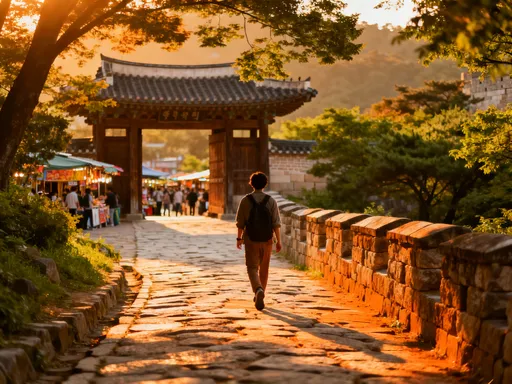
Lost in the Heartbeat of Siena: A Cultural Journey Like No Other
Imagine stepping into a medieval dream where time slows and every cobblestone hums with history. In Siena, Italy, culture isn’t just preserved—it’s alive, pulsing through festivals, art, and daily rituals. I wandered its winding streets and found myself immersed in traditions centuries old, from the world-famous Palio to intimate neighborhood celebrations. This is travel that doesn’t just show you a place—but lets you feel it. The air carries the scent of wood-fired bread and sun-warmed stone; voices rise in melodic Italian from open windows; and in the golden light of late afternoon, the city seems to breathe in rhythm with its past. Siena is not a museum behind glass. It is a living, beating heart of Tuscan identity, where heritage shapes not only monuments but the very way people live, gather, and remember.
Arrival in Siena: First Impressions of a Living Museum
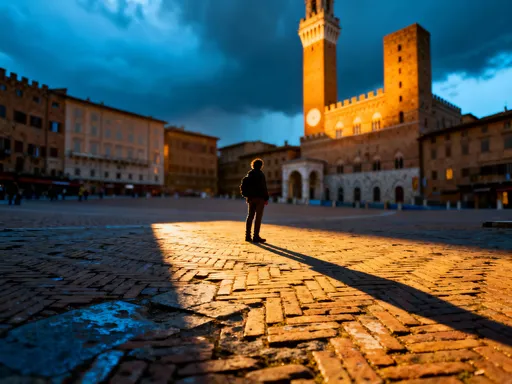
As travelers approach Siena from the rolling hills of Tuscany, the city rises like a vision from a Renaissance painting. Terracotta rooftops cascade down three converging ridges, culminating in the shell-shaped Piazza del Campo, the city’s vibrant core. The journey into Siena is not merely geographical—it is temporal. One moment, you are on a modern road lined with cypress trees; the next, you pass through ancient stone gates and find yourself on narrow, sloping streets paved with worn cobblestones that echo with centuries of footsteps. There are no neon signs or chain stores to break the spell. Instead, family-run bakeries display golden panforte, and iron lanterns hang above arched doorways leading to quiet courtyards.
What distinguishes Siena from other historic cities is its authenticity. While many European towns have preserved their facades for tourism, Siena has preserved its soul. Locals go about their days in ways that honor tradition without performance. An elderly woman leans from her window to hang laundry, just as her grandmother might have done. A shopkeeper sweeps the step of his leather goods store, greeting neighbors by name. The city’s layout, unchanged for hundreds of years, reinforces a sense of continuity. The hills create natural boundaries, making the city feel intimate and enclosed, as though it exists in its own timeless bubble.
Visitors often remark on the quietude of Siena, especially in the early mornings. Without the roar of heavy traffic—cars are restricted in the historic center—the city awakens gently. Birds sing from the towers, and the distant chime of church bells marks the hours. This stillness allows the senses to sharpen: the coolness of the stone walls, the fragrance of jasmine spilling over a garden wall, the soft murmur of a conversation in rapid Tuscan dialect. It is in these quiet moments that Siena begins to reveal itself not as a destination, but as a way of life.
The Soul of the City: Understanding Siena’s Contrade System
At the heart of Siena’s cultural identity lies the contrade system—a network of 17 neighborhood districts that function as much like extended families as administrative zones. Each contrada has its own name, emblem, colors, church, fountain, and even its own museum. More than geographic areas, they are communities bound by loyalty, history, and shared ritual. To be born into a contrada is to inherit a lifelong identity, one that influences social circles, friendships, and even marriages. The contrade are not tourist attractions; they are living institutions that shape the emotional landscape of the city.
Walking through Siena, one begins to notice subtle markers of contrada presence. Flags in distinctive colors hang from balconies. Fountains bear the emblems of the district—some feature wolves, others dragons, unicorns, or geese. Each symbol carries a story, often rooted in medieval legends or historical events. The Contrada della Tartuca (Tortoise), for instance, traces its origins to a 13th-century military company, while the Contrada dell’Oca (Goose) celebrates a legendary bird that once warned the city of danger. These stories are not folklore recited for visitors—they are part of everyday conversation among Sienese people.
The contrade come alive most visibly during the Palio, but their presence is felt year-round. Each has a social club, or sedie, where members gather to eat, celebrate, and plan events. Children are initiated into the contrada at a young age, learning songs, dances, and the proper way to wear the district’s scarf. Local festivals, religious processions, and even funerals are organized through the contrade, reinforcing their role as pillars of community life. For visitors, understanding the contrade is key to understanding Siena. It explains why the Palio is so intense, why rivalries run deep, and why pride in one’s district is a matter of honor.
Respectful travelers can learn about the contrade by visiting their museums, which are often small but rich in artifacts—costumes, banners, photographs, and trophies from past victories. Some contrade offer guided tours, especially outside the Palio season. These experiences provide rare insight into a system that is both ancient and vibrantly contemporary. The contrade are not relics; they are living traditions that continue to evolve while maintaining their core values of loyalty, identity, and belonging.
Palio di Siena: More Than a Horse Race—A Cultural Firestorm
The Palio di Siena is not a horse race in the conventional sense. It is a 90-second event that encapsulates months of preparation, spiritual devotion, and emotional intensity. Held twice each summer—on July 2 and August 16—in the Piazza del Campo, the Palio draws thousands of visitors, but its meaning is deeply local. For the Sienese, it is not entertainment; it is a sacred expression of civic pride, faith, and identity. The race itself is chaotic: ten horses, riderless, thunder around the sloped, dirt-covered piazza in three laps. There are no rules against pushing or whipping, and falls are common. Yet, for those who win, the glory lasts a lifetime.
The Palio’s roots trace back to the 13th century, evolving from military exercises into a ritualized competition among the contrade. Only ten of the seventeen districts compete in each race, selected by lot and including the two that automatically participate based on the previous year’s results. The selection process alone generates weeks of speculation and tension. Once the participants are known, the city enters a state of heightened anticipation. Horses are assigned by draw, and each contrada must quickly bond with its mount, often an unfamiliar animal brought in from across Italy.
The days leading up to the race are filled with rituals. There are trial races at night, where the horses are tested on the track under torchlight. The Corteo Storico, a grand procession in 17th-century costume, winds through the city, featuring drummers, flag bearers, and nobles on horseback. The most solemn moment is the blessing of the horses in their respective contrada churches—a gesture that underscores the spiritual dimension of the event. For many Sienese, the Palio is as much about faith as it is about competition.
On race day, the piazza fills hours in advance. Residents of the competing contrade gather in their sections, waving flags and singing district songs. The atmosphere is electric, charged with both hope and anxiety. When the starter rope drops and the horses surge forward, the roar of the crowd is deafening. The race is over in less than two minutes, but the aftermath can last for days. The winning contrada celebrates with feasts, fireworks, and a procession carrying the Palio banner—the hand-painted silk prize—through the streets. For the losers, there is grief, sometimes even tears. The Palio is not a game. It is a mirror of the city’s soul.
Seasonal Festivals: When Tradition Takes Center Stage
While the Palio is Siena’s most famous event, it is only one thread in a rich tapestry of seasonal celebrations. Throughout the year, the city honors its heritage with festivals that blend religious devotion, historical memory, and communal joy. These events are not staged for tourists; they are organic expressions of local identity, often organized by the contrade or parish churches. For visitors who time their trips carefully, they offer a rare opportunity to witness tradition in its most authentic form.
One of the most moving is the Feast of the Assumption on August 15, which follows the Palio by just a day. In the early evening, the city gathers in the Piazza del Duomo for a solemn religious procession. The Madonna di Provenzano, a revered 14th-century icon, is carried through the streets by members of the clergy and lay brothers. Candles flicker in the dusk, and the air fills with the scent of incense. The contrast with the previous day’s frenzy is striking—where the Palio is loud and passionate, the Assumption is quiet and reverent. Yet both are essential to understanding Siena’s emotional range.
In late September, the city commemorates the Battle of Montaperti (1260), a pivotal moment in its history when Sienese forces defeated the Florentines. The historical reenactment includes soldiers in medieval armor, cavalry units, and period music. Unlike theatrical performances, this event is treated with seriousness. Participants train for months, and the parade route follows the actual path of the returning army. Schools close for the day, and families line the streets in traditional dress. The message is not one of conquest, but of resilience and unity.
Another highlight is the Festa di Santa Crescenzia in July, celebrated in the Contrada della Civetta (Owl). This small, intimate festival includes a candlelit procession, a communal meal, and traditional songs sung in dialect. Unlike the Palio, it is not widely advertised, yet it draws deep local participation. For travelers, attending such events requires sensitivity. It is important to observe rather than intrude, to dress modestly, and to avoid blocking views or using flash photography. When done with respect, these moments can be the most rewarding of any visit to Siena.
Art, Craft, and Daily Expression: Culture Beyond the Calendar
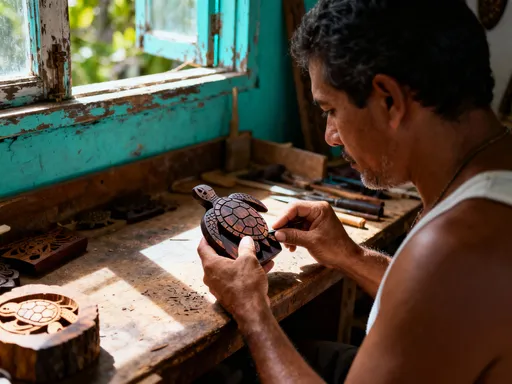
Siena’s cultural richness extends far beyond its festivals. It is visible in the hands of artisans who keep centuries-old crafts alive. In small workshops tucked into narrow alleys, potters shape clay into delicate ceramics painted with geometric patterns and contrada symbols. Nearby, a fan maker carefully gllues painted silk onto bamboo spines, creating handheld works of art. These are not souvenirs made for mass production; they are expressions of skill, patience, and heritage.
The tradition of artisanal craftsmanship in Siena is deeply rooted in its history as a medieval trade hub. Guilds once regulated every craft, from wool weaving to goldsmithing, ensuring quality and continuity. Today, while the guilds no longer hold official power, their spirit lives on in the pride artisans take in their work. Many are fourth- or fifth-generation craftspeople who learned their trade from family members. They speak of their materials with reverence—Tuscan clay, natural dyes, handmade paper—and emphasize the importance of doing things “the old way.”
Visitors can explore this world through guided visits to ateliers, some of which welcome small groups by appointment. Watching a ceramicist paint a plate with a trembling brush, knowing each stroke is done freehand, is a humbling experience. These artisans do not rush. They work slowly, deliberately, often listening to classical music or the murmur of the street outside. Their shops double as galleries, where customers—locals and travelers alike—can purchase pieces that carry both beauty and meaning.
The weekly market in Piazza Tolomei offers another window into Siena’s creative spirit. Stalls overflow with handwoven linens, olive wood carvings, and jars of local honey. Unlike tourist markets in larger cities, this one serves the community first. Grandmothers bargain for fresh vegetables, children lick gelato nearby, and artisans display their work with quiet dignity. To shop here is to participate in the rhythm of daily life, to support traditions that might otherwise fade. Every purchase becomes a small act of cultural preservation.
Culinary Traditions: Tasting the Spirit of Tuscany
In Siena, food is not merely sustenance—it is memory, identity, and connection. Meals unfold slowly, often beginning with a glass of Chianti Classico shared among friends. The cuisine reflects the land: hearty, seasonal, and deeply rooted in peasant and monastic traditions. Dishes are made with what the region produces—olive oil, wild mushrooms, chestnuts, pecorino cheese, and the prized saffron of San Gimignano. There are no shortcuts. Everything is made by hand, from pasta to desserts.
One of the most iconic dishes is pici, a thick, hand-rolled spaghetti served with rich sauces like agli e olio (garlic and oil) or cinta senese ragù, made from a rare breed of black pig. To eat pici is to taste the patience of generations. Another specialty is panforte, a dense fruit and nut cake originally made by nuns during Christmas. Its name means “strong bread,” a nod to its intense flavor and long shelf life. Equally beloved are ricciarelli, soft almond cookies dusted with powdered sugar, their origins tracing back to medieval Arab influences in Italy.
Dining in Siena is a communal affair. Even in small trattorias, tables are often shared, and waiters treat guests like family. Menus change with the seasons, and the best meals are often the simplest: a platter of local cheeses, a slice of warm schiacciata (Tuscan flatbread), a bowl of ribollita (vegetable soup). Wine is poured generously, and conversation flows easily. There is no pressure to hurry. The meal is not a task to complete, but a moment to savor.
For travelers, the key to authentic culinary experiences is to follow the locals. Seek out family-run restaurants away from the main piazza. Visit the enotecas in the evening, where residents gather for aperitivo. Attend a cena della contrada, a neighborhood dinner held during festival season—these are rarely advertised but often open to respectful guests. Eating in Siena is not about luxury; it is about belonging. Each bite carries the flavor of tradition, passed down through hands that know the value of time, place, and care.
Traveler’s Guide: How to Immerse Yourself Respectfully and Meaningfully
To experience Siena fully, one must move beyond the role of observer. The city rewards those who engage with curiosity, humility, and respect. The best time to visit is during the spring or early autumn, when the weather is mild and the crowds thinner. While summer brings the Palio, it also brings intense heat and packed streets. Travelers who wish to witness the Palio should book accommodations a year in advance and understand that access to the piazza is limited and often reserved for residents.
Navigating Siena is best done on foot. The city center is compact, and walking allows you to discover hidden corners—quiet courtyards, small chapels, artisan workshops. Comfortable shoes are essential, as the streets are steep and uneven. Public transportation is limited, but taxis are available for those with mobility concerns. When visiting churches or attending religious events, dress modestly—shoulders and knees should be covered. Silence is expected in sacred spaces, and photography should be discreet.
Engaging with locals requires patience and openness. Many older residents speak little English, but a simple “Buongiorno” or “Grazie” goes a long way. Learning a few phrases in Italian shows respect and often leads to warmer interactions. Avoid treating the contrade or their traditions as photo opportunities. During festivals, ask before taking pictures of people, especially children. Never touch banners, costumes, or religious objects. If invited to a private event, accept with gratitude and follow the lead of your hosts.
The most meaningful travel experiences in Siena come from slowing down. Sit in a piazza with a coffee and watch the world pass. Visit a neighborhood bakery and learn the name of the owner. Attend a small church concert or a local art exhibition. These quiet moments often leave the deepest impression. Siena does not reveal itself quickly. It unfolds gradually, like the pages of an old book. To truly know it is not to see every monument, but to feel its heartbeat—to understand that culture is not something you consume, but something you live.