You Won’t Believe What This Ancient City Reveals Behind the Wheel
Driving through Sana’a feels like stepping into a living manuscript—centuries etched into every stone tower and winding alley. I didn’t expect to feel so connected to history just by cruising its streets. The city rises like a honeycomb from the highland mist, each turn revealing ochre skyscrapers crowned with geometric latticework. From behind the wheel, you witness Sana’a not as a static monument, but as a breathing, evolving landscape. This is urban exploration at its most raw—and it changes how you see heritage forever.
Why Sana’a? The Allure of Yemen’s Timeless Capital
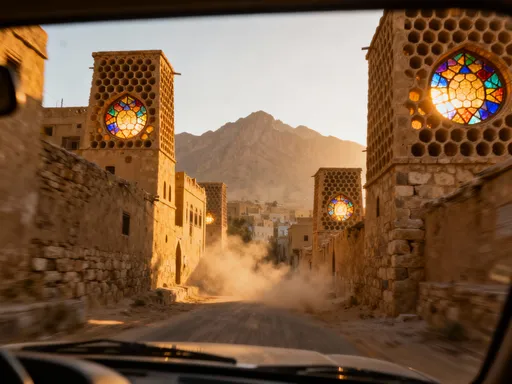
Sana’a, the capital of Yemen, stands as one of the oldest continuously inhabited cities in the world. Nestled over 2,200 meters above sea level in a highland valley, it has thrived for more than 2,500 years as a crossroads of trade, religion, and culture. Its Old City, designated a UNESCO World Heritage Site in 1986, is renowned for its distinctive architectural style—multi-story rammed-earth buildings adorned with intricate white gypsum patterns and stained-glass windows known as qamariyas. These structures, some rising as high as eight stories, were built to withstand both desert heat and mountain cold, showcasing an ingenious adaptation to environment and resource constraints. To drive through this ancient urban core is to engage with a city that has not been preserved behind glass but lives and breathes through daily use.
What sets driving apart from walking or joining a guided tour is the rhythm of discovery it affords. On foot, the scale of Sana’a’s labyrinthine alleys can feel overwhelming, the sensory input too immediate to process. A guided tour may offer depth, but often follows a fixed path that misses spontaneous moments. Behind the wheel, travelers gain a unique vantage point—slower than highway travel, yet fluid enough to cover ground and observe transitions between neighborhoods. You can pause at the edge of a marketplace, watch families return from evening prayers, or catch sunlight dancing across centuries-old facades without disrupting the flow of life around you. This mode of exploration allows for both intimacy and perspective, revealing how tradition and modernity coexist in unexpected harmony.
The city’s historical significance stems from its role as a hub along ancient trade routes linking the Arabian Peninsula with Africa and the Indian Ocean. Spices, incense, and textiles once passed through its gates, enriching not only its economy but also its cultural fabric. Islam arrived early, and Sana’a became a center of religious scholarship, home to some of the earliest mosques in the world, including the Great Mosque of Sana’a, believed to date back to the 7th century. Isolated by its mountainous terrain, the city developed a distinct identity, protected from large-scale invasions and external homogenization. This geographic seclusion contributed to the preservation of its architectural and social traditions, making it a rare example of organic urban continuity.
For the modern traveler, the emotional impact of experiencing Sana’a firsthand is profound. There is a quiet dignity in seeing homes that have stood for generations still occupied, their walls bearing the marks of time yet radiating warmth and life. Unlike archaeological sites frozen in ruin, Sana’a pulses with routine—children playing in courtyards, elders sipping tea on rooftops, artisans carving wood in open-front workshops. Driving through its streets, one senses not nostalgia, but presence. It challenges the Western notion of heritage as something to be observed from a distance, instead offering a model where history is lived, not merely remembered. This realization transforms the act of travel from sightseeing into witnessing—a subtle but powerful shift in perspective.
Choosing the Right Vehicle: Practicality Meets Preparedness
When planning a self-driven journey through Sana’a, selecting the appropriate vehicle is crucial to both comfort and safety. The city’s streets, particularly within the Old City, are narrow, uneven, and often unpaved. Many alleys are barely wide enough for a compact car, with overhanging upper floors creating tight clearances. For these conditions, a smaller, agile vehicle such as a sedan or compact SUV is often more practical than a large 4x4. While off-road capability might seem advantageous, excessive size can hinder navigation and increase the risk of scraping against walls or getting stuck in tight turns. The goal is not to conquer terrain, but to move fluidly through an ancient urban fabric designed long before automobiles existed.
Ground clearance is still important, especially when transitioning between the Old City and newer districts where road quality varies. Potholes, loose gravel, and sudden drops are common, so a vehicle with moderate lift and durable suspension will handle these challenges more effectively. Equally essential are reliable brakes and responsive steering, given the unpredictable movements of pedestrians, livestock, and other vehicles. Since access to international car rental agencies is limited, most visitors rely on local contacts or trusted drivers who provide well-maintained vehicles. Establishing a relationship with a reputable local mechanic before departure—or ensuring your driver has one on call—is a wise precaution. Spare tires, basic tools, and extra fuel should always be on hand, as roadside assistance is not widely available.
Comfort must be balanced with authenticity. While air conditioning and modern navigation systems are appealing, over-reliance on technology can distance travelers from the experience. Some of the most meaningful moments occur when the engine is off, and the sounds of the city—call to prayer echoing from minarets, vendors calling out prices, the clatter of donkey carts—fill the silence. A simpler vehicle encourages this kind of presence, reminding drivers that they are guests in a place where life unfolds at human pace. That said, safety features such as seat belts, functioning lights, and sturdy doors should never be compromised. These are not luxuries but necessities, especially when traveling during early mornings or late evenings when visibility is low.
Practical realities such as fuel availability and driving norms must also be considered. Gas stations exist in the newer parts of the city, but supplies can be inconsistent due to logistical challenges. It is advisable to refuel whenever possible and avoid running the tank below half. Local driving habits may differ from those in Western countries—lane discipline is flexible, signals are rarely used, and right-of-way is often determined by negotiation rather than rules. Patience and a calm demeanor go a long way in preventing tension. Vehicle security is another concern; parking in well-lit, populated areas and avoiding leaving valuables visible inside the car reduces risks. Ultimately, the right vehicle is not the most powerful or luxurious, but the one that enables respectful, smooth, and safe engagement with the city’s unique environment.
Navigating the Urban Maze: From Main Arteries to Hidden Lanes
Entering Sana’a from the surrounding highlands, travelers first encounter the city’s modern ring roads—broad avenues lined with concrete buildings, shops, and traffic circles. These main arteries connect the newer districts and serve as entry points to the historic core. As you approach the Old City, the architecture shifts dramatically: modern facades give way to honey-colored towers rising five to eight stories high, their windows glowing with colorful glass. The transition is not marked by gates or barriers, but by a gradual narrowing of streets and an increase in foot traffic. This fluid boundary reflects how Sana’a has grown organically, with new layers wrapping around the ancient heart rather than replacing it.
Once inside the Old City, GPS becomes nearly useless. Satellite signals are often blocked by tall buildings, and digital maps lack the detail needed to distinguish between the maze of alleys. Street names, where they exist, are inconsistently marked or written only in Arabic script. Relying on technology alone can lead to frustration or unintended intrusions into private areas. Instead, successful navigation depends on local knowledge, observational skills, and simple tools like paper maps or hand-drawn sketches. Many experienced drivers and guides carry annotated maps based on years of experience, noting landmarks such as mosques, markets, or distinctive buildings. Learning a few key reference points—like the location of Bab al-Yemen, the historic southern gate—can help orient movement even without digital aids.
Traffic patterns in Sana’a are fluid and often unpredictable. There are no strict one-way systems within the Old City, and vehicles move in both directions through narrow passages. Donkey carts, pedestrians, and motorbikes share the space freely, creating a dynamic flow that requires constant awareness. Horns are used sparingly and more as a courtesy than a warning. Drivers typically proceed slowly, making eye contact with others to signal intent. This informal system works because of mutual respect and shared understanding of the constraints. Rushing or aggressive driving is not only ineffective but also culturally inappropriate. Success comes from moving with the rhythm of the city, not against it.
One of the most rewarding aspects of driving through Sana’a is experiencing its spatial transformation. Starting from the bustling Suq al-Milh, where salt, spices, and textiles fill the air with scent and color, the route may wind into quieter residential zones where families gather on rooftops or children play in shaded courtyards. These shifts happen within minutes, offering a layered view of urban life. Some alleys open into small plazas where elders sit under awnings, while others lead to hidden mosques or family homes with intricately carved wooden doors. Each turn reveals a new facet of the city’s character. By covering more ground than a pedestrian might in a day, a driver gains a broader sense of Sana’a’s structure—its density, its patterns, its quiet corners and vibrant hubs—all while maintaining the flexibility to pause and absorb the moment.
The Architecture That Takes Your Breath Away—One Turn at a Time
The architecture of Sana’a’s Old City is nothing short of breathtaking. As you drive through its streets, the sheer verticality of the buildings becomes apparent—towering structures made of rammed earth and stone, their facades decorated with geometric patterns in white gypsum. These multi-story homes, some dating back hundreds of years, were designed to maximize limited space while providing insulation against extreme temperatures. The upper floors often project slightly over the lower ones, creating shaded walkways below and adding to the sense of enclosure. What truly captivates, however, are the qamariyas—stained-glass windows arranged in circular or star-shaped designs that filter sunlight into kaleidoscopic patterns inside the homes. From the street, these windows glow like lanterns, especially in the early morning or late afternoon when the sun strikes them at an angle.
Driving allows visitors to appreciate the scale and density of this urban form in a way that walking cannot replicate. On foot, the view is often limited to what’s immediately ahead or above. From a vehicle, even at slow speeds, one can observe how the buildings align along alleys, creating long vistas that emphasize continuity and rhythm. The uniformity of style—ochre walls, white trim, wooden balconies—gives the Old City a cohesive aesthetic, like a single organism composed of thousands of interlocking parts. Yet within this unity, there is variation: some towers are crowned with ornate cupolas, others feature carved wooden doors or painted inscriptions. These details emerge gradually as you move through different neighborhoods, each with its own character shaped by family lineages, trade histories, and religious affiliations.
Contrasting the Old City with the modern districts highlights the city’s evolution. Beyond the historic core, concrete apartment blocks, glass-fronted shops, and wider roads reflect contemporary needs and influences. Yet even here, echoes of traditional design persist—some newer buildings incorporate arched windows or decorative elements inspired by qamariyas. This blending of old and new is not always seamless, but it speaks to a city that refuses to be frozen in time. Driving through both areas offers a visual narrative of adaptation, showing how Sana’a balances preservation with progress.
Moments of awe accumulate quietly. At sunrise, the eastern facades of the towers catch the first light, turning the entire city into a golden tapestry. By midday, shadows retreat into narrow alleys, creating sharp contrasts between light and dark. At dusk, the setting sun illuminates the mudbrick walls in deep amber hues, making them appear almost molten. These transformations are best appreciated from a moving vantage point, where the interplay of light, texture, and form unfolds continuously. The architecture is not just seen—it is felt, experienced as a living presence that surrounds and envelops the traveler. In these moments, Sana’a reveals itself not as a relic, but as a masterpiece in motion.
Living Culture on Display: People, Markets, and Daily Rhythms
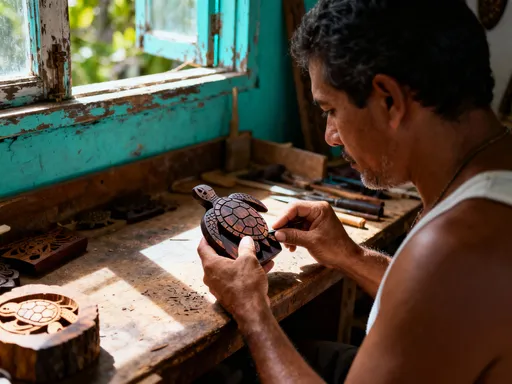
Sana’a is not a museum—it is a city lived in, shaped by generations of families who maintain traditions while adapting to modern realities. From behind the wheel, travelers gain a privileged view of daily life unfolding in real time. In the early morning, vendors set up stalls in open-air markets, arranging bundles of qat, baskets of dates, and pyramids of spices. Children in school uniforms walk in groups, their laughter echoing off stone walls. Artisans sit outside their workshops, carving intricate patterns into wooden doors or repairing copper pots with practiced hands. These scenes are not staged for tourists; they are part of the city’s ongoing rhythm, visible to anyone who moves through its streets with quiet attention.
Observing this life from a vehicle offers a balance between proximity and respect. Unlike intrusive photography or uninvited entry, driving allows for passive witnessing—a way to absorb the atmosphere without disrupting it. That said, ethical considerations are paramount. Photographing people, especially women or children, should be done with discretion and, whenever possible, with permission. The same applies to homes and private courtyards. A respectful approach means avoiding zoom lenses aimed at intimate spaces and refraining from stopping in ways that block movement or draw unwanted attention. When in doubt, follow local cues: if a driver sees others pausing respectfully, it is likely acceptable to do the same.
There are opportunities to engage more directly, particularly at accessible roadside spots such as small tea houses, market entrances, or public squares. Stopping briefly to purchase bread from a street oven or to exchange greetings with a shopkeeper can lead to warm interactions. Many locals are curious about visitors and may offer invitations to see a home or learn about family history. These moments of connection are among the most memorable aspects of travel, but they must arise naturally, not through pressure or expectation. A smile, a polite gesture, and a willingness to listen often open doors more effectively than words.
The sensory experience of Sana’a is unforgettable. The scent of baking bread mingles with the earthy aroma of damp mudbrick after a rare rain. The sound of hammering from a coppersmith’s shop blends with the distant call to prayer. The motion of the city—donkeys laden with goods, women in colorful veils carrying water jugs, men gathering under shaded awnings—creates a tapestry of movement that feels both timeless and immediate. To drive through Sana’a is to be immersed in this flow, not as a spectator, but as a temporary participant in a living culture. It is a reminder that heritage is not only in stone and glass, but in the hands, voices, and hearts of those who call this ancient city home.
Challenges on the Road: Honesty About Real-World Travel
Traveling through Sana’a by car is deeply rewarding, but it is not without challenges. Infrastructure limitations are among the most immediate concerns. Fuel supply can be inconsistent, particularly during periods of economic strain, so it is wise to refuel whenever the opportunity arises. Road maintenance varies widely—while main roads are generally passable, many secondary streets suffer from potholes, loose gravel, or erosion, especially after seasonal rains. Communication networks are also unreliable; mobile data may drop without warning, and internet access is limited. These conditions require flexibility and preparation. Carrying paper maps, extra water, and basic supplies ensures readiness for unexpected delays.
Navigating checkpoints is another reality of travel in the region. Security personnel are typically stationed at key entry points and major intersections. Interactions should be conducted with courtesy, calmness, and cultural awareness. Keeping identification and any relevant travel documents easily accessible helps streamline the process. It is important to follow instructions without argument and to avoid sudden movements or attempts to record interactions. Most encounters are routine and brief, especially when travelers demonstrate respect and cooperation. Local drivers often serve as invaluable intermediaries, using their familiarity with protocols to ease passage.
Weather can also impact travel. While Sana’a enjoys a relatively mild climate due to its high elevation, seasonal rains can turn unpaved streets into muddy paths, reducing traction and visibility. Dust storms, though infrequent, may arise suddenly, requiring reduced speed and careful navigation. Early mornings and late afternoons offer the clearest conditions and most pleasant temperatures, making them ideal times for driving. Planning routes with weather in mind enhances both safety and comfort.
Safety is a priority, but it should not be approached through fear. While certain areas are best avoided due to instability, many parts of Sana’a remain accessible and welcoming to respectful visitors. Listening to local advice, staying informed through reliable sources, and traveling with trusted contacts significantly reduce risks. The goal is not to eliminate all uncertainty—this is part of what makes travel meaningful—but to manage it with awareness and responsibility. By acknowledging challenges openly, travelers can prepare thoughtfully and engage with Sana’a in a way that honors both its beauty and its complexities.
Why This Journey Matters: Reimagining Heritage Through Motion
Driving through Sana’a offers more than convenience—it fosters a deeper, more personal connection to heritage. Unlike passive tourism, where visitors observe from a distance, self-driven exploration invites engagement. You are not merely looking at history; you are moving through it, feeling its textures, hearing its rhythms, and responding to its demands. This active participation transforms understanding. Sana’a is not a frozen tableau, but a dynamic space where centuries of tradition coexist with the needs of contemporary life. To experience it from behind the wheel is to recognize that preservation does not mean stagnation, but continuity.
The value of seeing ancient cities as lived-in spaces cannot be overstated. Too often, World Heritage Sites are treated as museum pieces—protected, curated, and removed from daily life. Sana’a resists this model. Its homes are occupied, its markets active, its streets filled with the sounds of ordinary life. This authenticity challenges assumptions about what heritage should look like. It reminds us that culture is not something to be preserved behind glass, but something that evolves through use. By traveling through such places with respect and awareness, visitors contribute to a more nuanced understanding of global history—one that honors resilience, adaptation, and human endurance.
Responsible, informed travel to overlooked destinations like Sana’a has the power to shift narratives. Instead of defining regions by conflict or crisis, it highlights their richness, creativity, and enduring spirit. It encourages investment in preservation, supports local economies, and builds bridges of understanding. For the traveler, it offers a rare opportunity to see the world differently—to slow down, to observe closely, and to listen. These journeys do not require grand gestures, only presence, patience, and humility.
In the end, Sana’a is not waiting to be discovered by the world. It is already whole, already complete, moving forward on its own terms. Each street, each tower, each face tells a story of survival and continuity. To drive through its alleys is to become part of that story, if only for a moment. And in that moment, one realizes that heritage is not in the past—it is here, now, alive, and still being written, one turn of the wheel at a time.