What I Wish I Knew Before Visiting Art Spaces in Paro, Bhutan
You know that feeling when you travel somewhere magical, only to realize you’ve missed the real gems? I flew into Paro, Bhutan, dreaming of serene mountain views and profound cultural art—but quickly learned not all art spaces are created equal. Some were breathtakingly authentic; others felt staged or overpriced. This is my honest journey through Paro’s artistic heart, what truly moved me, and what I’d skip next time. My hope is that by sharing these insights, you’ll step into Bhutan’s spiritual landscape not just as a tourist, but as a mindful traveler who sees beyond the surface, connects with living traditions, and leaves with more than just souvenirs.
First Impressions: Paro’s Art Scene Beyond the Postcards
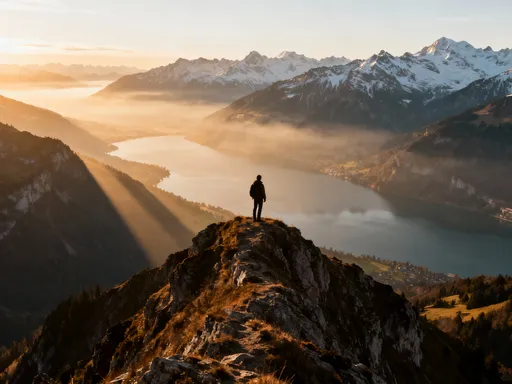
Paro greets visitors with a quiet dignity. Nestled in a wide valley flanked by forested hills and snow-capped peaks, the town feels both ancient and alive. My first morning there, I wandered the quiet streets, camera in hand, searching for signs of the rich artistic heritage I had read about. I found shops selling hand-carved wooden bowls, colorful textiles draped in windows, and signs pointing to art galleries. But something felt off. The displays were polished, the prices high, and the people behind the counters rarely engaged beyond transactional pleasantries. It wasn’t until I visited Kyichu Lhakhang, one of Bhutan’s oldest temples, that I began to understand the depth of Bhutanese art. The walls were alive with intricate murals depicting deities, mandalas, and scenes from Buddhist teachings. There were no labels, no audio guides—just silence, flickering butter lamps, and a sense of reverence that words can’t capture. This contrast shaped my entire experience: between art as spiritual practice and art as commercial product.
What I came to realize is that Bhutanese art is not meant to be decorative in the Western sense. It is devotional. Every line in a thangka painting, every chiseled detail on a temple door, every thread in a traditional kira (a woman’s garment) carries symbolic meaning. The colors represent elements and emotions—blue for wisdom, red for power, gold for enlightenment. The geometric precision of a mandala is not just aesthetic; it is a meditation tool. This understanding shifted how I approached art spaces. I stopped looking for galleries that resembled those in Paris or New York and began seeking places where art was still woven into daily life and spiritual practice. The commercial galleries in town, while offering beautiful items, often lacked the soul I was searching for. They catered to tourists with standardized souvenirs—repetitive thangkas, mass-produced masks, and generic prayer flags. These items weren’t necessarily inauthentic, but they were distant from the living tradition.
The monasteries and temples, on the other hand, offered a different kind of access. While photography was restricted and entry sometimes limited, the art within was not for sale—it was for contemplation. This was art as an offering, not a commodity. I learned to appreciate that the most meaningful artistic experiences in Paro wouldn’t come with price tags or brochures. They would come from stillness, observation, and respectful presence. The real story wasn’t in the objects themselves, but in the context: who made them, why they were made, and how they were used. This lesson guided me throughout my stay, helping me distinguish between places that honored tradition and those that merely imitated it for profit.
The Hidden Gem: A Community-Run Art Studio That Took My Breath Away
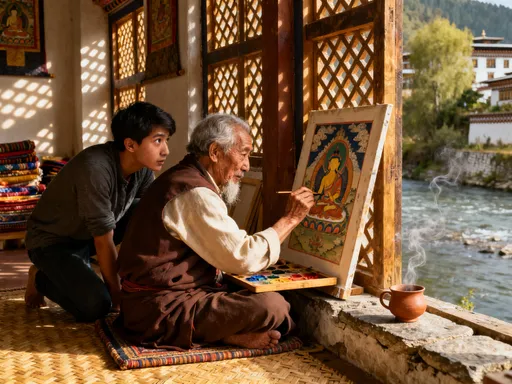
One afternoon, while walking along the Paro Chhu river, I noticed a narrow path leading uphill behind a small cluster of prayer flags. Curious, I followed it and came upon a modest wooden building with open windows. Inside, I saw a circle of young men in maroon robes, hunched over large wooden boards, brushes in hand. No sign welcomed visitors. No ticket booth stood at the entrance. I hesitated, unsure if I was intruding, but an older man with kind eyes motioned for me to come in. This was not a tourist attraction—it was a working thangka painting atelier, supported by the local community and affiliated with a nearby monastery.
For nearly two hours, I sat on a low wooden bench, sipping butter tea offered by one of the apprentices, watching the artists paint. Each thangka was a months-long project, often taking over a year to complete. The precision was astonishing. Using natural pigments ground from minerals and stones—lapis lazuli for blue, malachite for green, cinnabar for red—the artists followed ancient iconometric grids, ensuring every figure was proportionally and spiritually accurate. The master painter explained, through a translator, that each deity had to be depicted exactly as prescribed in sacred texts. A single misplaced line could diminish the painting’s spiritual power. This wasn’t art for aesthetics—it was art as ritual.
What moved me most was the absence of performance. There was no staged demonstration for visitors, no push to sell. The artists were focused, disciplined, and deeply immersed in their work. When I asked if I could contribute to their materials, the master simply smiled and said, “Your presence is enough.” I later learned that the studio trained young monks and local youth in traditional techniques, preserving a craft that might otherwise fade. No entry fee was charged, but donations were accepted to cover pigments and tools. This experience redefined what I thought a “cultural visit” should be. It wasn’t about collecting photos or buying souvenirs—it was about witnessing a living tradition, humbly and respectfully. I left with a deeper appreciation for the patience, devotion, and knowledge embedded in every brushstroke.
The Overhyped Spot: When Tourism Overshadows Art
Not all of my visits were as moving. One of the most promoted art centers in Paro, located near the main tourist route, turned out to be a lesson in how tourism can dilute authenticity. The building was modern, well-lit, and advertised as “Bhutan’s premier gallery for traditional and contemporary Himalayan art.” I entered with high hopes, only to find a large, impersonal space filled with rows of nearly identical thangkas, masks, and wooden carvings. The staff wore name tags and spoke fluent English, but none could explain the symbolism behind the artworks. When I asked about the artists, I was told they were “local masters,” but no names were given, and no one was present to demonstrate their work.
The atmosphere felt more like a high-end department store than a cultural space. Visitors browsed quickly, comparing prices and colors, while guides rushed groups through with rehearsed scripts. The most expensive thangkas were labeled as “hand-painted,” but upon closer inspection, I noticed inconsistencies in the brushwork and the use of synthetic pigments. Later, a local artisan confirmed my suspicion: many of these pieces were produced in workshops outside Bhutan and imported for resale. The center’s branding emphasized luxury and exclusivity, but the connection to actual Bhutanese craftsmanship was tenuous at best. I left feeling disappointed, not because the art was ugly, but because the experience lacked integrity.
This visit highlighted a growing tension in Paro’s cultural tourism: the balance between accessibility and authenticity. While it’s important to make art accessible to international visitors, doing so at the expense of transparency and tradition risks turning sacred practices into commodities. The absence of working artists, the lack of storytelling, and the commercial pressure to sell created a barrier between the viewer and the art’s true meaning. It reminded me that popularity is not a reliable indicator of quality. Just because a place is well-marketed doesn’t mean it offers a genuine connection to culture. In fact, the more polished and tourist-friendly a space appeared, the more likely it was to prioritize profit over preservation. This realization made me more intentional about where I chose to spend my time and money.
How to Spot the Real Deal: My 3-Point Art Space Checklist
After several days of exploration, I developed a simple but effective way to identify authentic art spaces in Paro. My three-point checklist became my guide: first, the presence of working artists on-site; second, opportunities to observe or briefly participate in the creative process; and third, transparent sourcing and cultural storytelling. These criteria helped me filter out the commercialized venues and find places where art was still a living, evolving tradition.
The presence of working artists is perhaps the most telling sign. In genuine studios, you’ll see people creating—painting, carving, weaving—with tools in hand and concentration on their faces. This isn’t a performance for tourists; it’s their daily practice. At the community atelier by the river, I saw apprentices grinding pigments, sketching grids, and receiving quiet corrections from their masters. That level of engagement is impossible to fake. In contrast, the overhyped gallery had no artists in sight—just finished products on display. If you don’t see people making art, it’s likely you’re in a retail space, not a creative one.
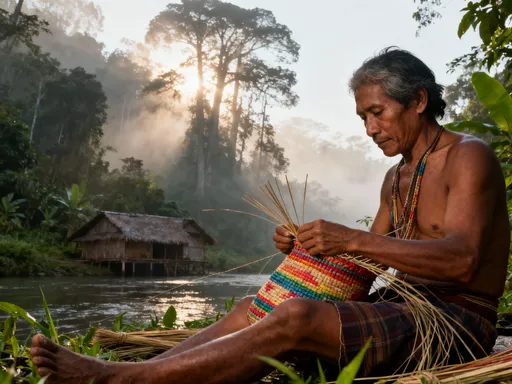
The second point—opportunities to observe or participate—speaks to accessibility and openness. Authentic spaces often welcome quiet observation. Some may even invite visitors to try a simple brushstroke or weave a few threads under guidance. These moments of interaction, however brief, create a deeper connection. During my visit to a local weaving cooperative, I was allowed to sit at a loom and attempt a basic pattern. The weaver laughed kindly at my clumsy hands but praised my effort. That small act transformed my understanding of the craft. It wasn’t just about the final textile; it was about the hours of patience, the skill built over years, and the cultural knowledge passed from mother to daughter.
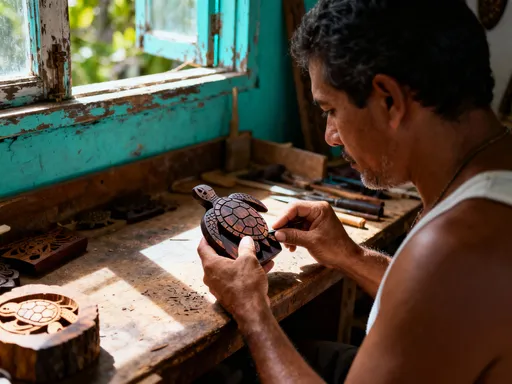
Finally, transparent sourcing and storytelling are essential. Who made this? What does it mean? How was it made? In authentic spaces, these questions are welcomed and answered with pride. At a small woodcarving workshop near Drukgyal Dzong, the artisan showed me the chisels he inherited from his father and explained how each motif—a dragon, a lotus, a wind horse—carried a specific blessing. He even invited me to see the unfinished temple eaves he was carving for a local monastery. This level of detail and honesty builds trust and enriches the experience. When a vendor simply says, “Very traditional, very expensive,” without context, it’s a red flag. True cultural stewards want you to understand, not just buy.
Timing & Access: Navigating Seasons, Festivals, and Local Etiquette
When planning your visit to Paro’s art spaces, timing matters as much as destination. The best months to experience authentic artistic practices are spring (March to May) and autumn (September to November). During these seasons, the weather is mild, the skies are clear, and many monasteries and community studios are more accessible. Spring brings the blooming of rhododendrons and the beginning of the painting and weaving season, when artisans return to their crafts after the winter months. Autumn coincides with the most important cultural events, including the Paro Tsechu, a five-day festival that offers rare glimpses into sacred art and performance.
The Paro Tsechu is a highlight for any culturally curious traveler. Held at the Rinpung Dzong, the festival features masked cham dances performed by monks, each representing deities, demons, and moral lessons. The costumes are elaborate works of art—hand-embroidered with silk and gold thread, adorned with symbolic patterns. The masks, carved from wood and painted with ritual precision, are believed to embody the spirits they represent. What many visitors don’t realize is that the festival also opens doors to normally restricted spaces. After the dances, some of the sacred thangkas—known as thongdrels—are unfurled in a grand display at dawn. These massive tapestries, sometimes over ten meters tall, depict complex religious scenes and are only shown once a year. Seeing one unfurl in the morning light, with monks chanting and pilgrims prostrating, is a moment of profound beauty and reverence.
However, access comes with responsibilities. Visitors must adhere to local etiquette: dress modestly, remove shoes when required, speak quietly, and never point feet toward altars or sacred objects. Photography is often restricted, especially during rituals, and flash photography is strictly prohibited. These rules aren’t arbitrary—they reflect the sacred nature of the art. I learned this the hard way when I instinctively raised my camera during a quiet moment in a temple, only to be gently reminded by a monk that some experiences are meant to be held in memory, not on a memory card. Respecting these boundaries isn’t just polite; it’s essential to preserving the integrity of the traditions you’ve come to witness.
Beyond the Gallery: Unexpected Places Where Art Lives in Paro
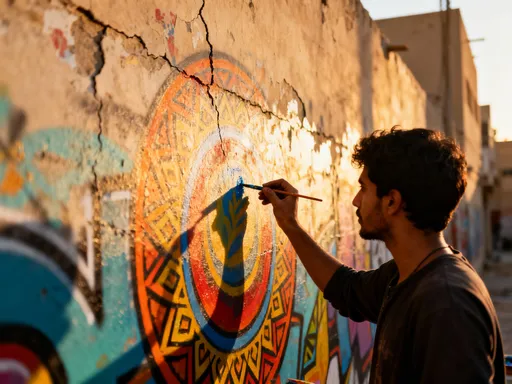
One of the greatest joys of my trip was discovering that art in Paro isn’t confined to galleries or temples—it’s everywhere. During a homestay in a traditional farmhouse, I noticed the walls of the main room were painted with intricate murals of protective deities and floral patterns. The homeowner explained that these were painted by a local artist using natural pigments, just as they had been for generations. Unlike museum pieces, these murals were lived with—touched by daily life, illuminated by candlelight, and cherished as part of the family’s spiritual protection.
Walking through quiet village courtyards, I admired the wood carvings on temple eaves—dragons with coiled tails, lotus blossoms in full bloom, and geometric patterns that seemed to dance in the sunlight. These weren’t displayed behind glass; they were exposed to the elements, slowly weathering but still powerful in their presence. Even the prayer wheels lining the paths were works of art, their metal casings engraved with mantras and symbols, their handles smoothed by generations of hands. I began to see that in Bhutan, art isn’t separate from life—it is life. It serves a purpose: to inspire devotion, to tell stories, to protect, and to beautify the ordinary.
The weekend market in Paro town was another treasure trove of living art. Women in traditional dress sold handwoven textiles—broadcloth, scarves, and ceremonial garments—each piece unique in pattern and color. I spoke with one weaver who had spent three months on a single kira, using a backstrap loom passed down from her grandmother. She explained that the zigzag patterns represented mountains, the red stripes symbolized courage, and the gold threads brought blessings. I bought a small woven pouch, not as a souvenir, but as a token of connection. Supporting these artisans directly ensured that their skills would continue and that my purchase had meaning. These everyday objects, often overlooked by tourists rushing to “important” sites, turned out to be some of the most authentic expressions of Bhutanese artistry.
Final Reflections: Traveling with Intention in a Spiritual Landscape
Leaving Paro, I carried more than photographs and a woven pouch. I carried a deeper understanding of what it means to engage with art in a spiritual culture. My initial desire to “see everything” had given way to a quieter, more intentional approach. I learned that the most meaningful experiences weren’t the ones I planned, but the ones I stumbled upon—like the riverbank atelier or the farmhouse mural. They reminded me that travel isn’t about checking boxes; it’s about opening yourself to connection, humility, and wonder.
I also reflected on my role as a visitor. Was I an observer, a supporter, or, at times, an intruder? The line can be thin. But I believe that when we approach places like Paro with respect, curiosity, and a willingness to listen, we become part of a larger exchange. We support local creators not by buying the most expensive item, but by valuing their time, their knowledge, and their stories. We honor traditions not by photographing them, but by understanding their significance and behaving with care.
Paro taught me that true art isn’t always loud or flashy. It can be found in silence, in a brushstroke, in a shared cup of tea. It thrives not in isolation, but in community. And for those willing to look beyond the postcards, it offers a journey not just through a landscape, but through the heart of a culture. My hope is that your visit to Paro’s art spaces will be guided not by hype, but by intention—that you’ll seek not just beauty, but meaning, and leave not just with souvenirs, but with transformation.