Hidden Gems and Shopping Thrills in Suwon’s Scenic Heart
You know that feeling when a city surprises you? Suwon isn’t just about ancient walls and history—it’s a vibrant mix of scenic beauty and shopping magic. I wandered through quiet palace paths and then dove into bustling markets where the finds were unreal. From traditional lanes to modern streets, every corner blends nature, culture, and retail therapy. If you think Korea is only Seoul and Busan, trust me—Suwon’s charm will blow your mind. It offers a rare balance: a destination rich in heritage, wrapped in greenery, yet pulsing with contemporary energy. This is a place where you can walk centuries-old fortress walls in the morning and uncover designer treasures in climate-controlled boutiques by afternoon—all without the overwhelming pace of Korea’s megacities.
Discovering Suwon: More Than Just a Day Trip
Suwon often appears on itineraries as a convenient day trip from Seoul, just 30 kilometers south and easily accessible by train or subway. But reducing it to a brief stopover does it a disservice. This vibrant city stands confidently on its own, offering a distinctive blend of urban convenience and cultural depth. Unlike larger metropolitan centers that can feel rushed and impersonal, Suwon unfolds at a pace that invites immersion. Its identity is anchored in history, yet it embraces modern life with open arms, creating a rhythm that resonates deeply with visitors seeking both authenticity and comfort.
What truly sets Suwon apart is its ability to harmonize the old and the new. You won’t find stark contrasts between crumbling relics and glass towers here. Instead, ancient gates open onto tree-lined boulevards, and traditional markets operate just blocks away from sleek shopping complexes. This seamless integration makes the city feel cohesive and lived-in, not curated solely for tourists. Families picnic near centuries-old stone walls; office workers grab quick meals from street vendors tucked beside historical landmarks. The city breathes naturally, and that authenticity is part of its quiet appeal.
At the heart of Suwon’s identity lies the Hwaseong Fortress, a UNESCO World Heritage site completed in 1796 under King Jeongjo. This remarkable structure was built to honor the king’s father and serve as a symbol of enlightened Confucian governance. Today, it stands not just as a monument, but as a living space—a place where joggers, photographers, and history lovers gather daily. The fortress’s thoughtful design, incorporating scientific and philosophical principles of the era, reflects a legacy of innovation and care. Visiting Suwon means stepping into a city that values its past while moving forward with purpose and grace.
Hwaseong Fortress: Where History Meets Scenery
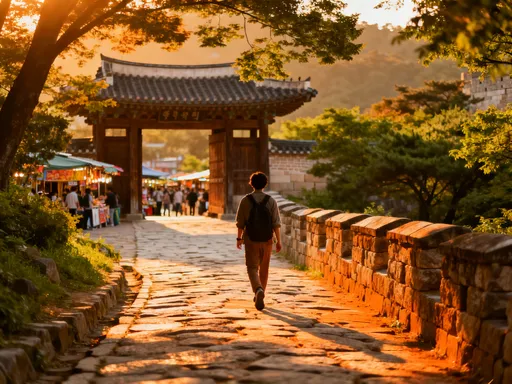
Walking along the Hwaseong Fortress walls is one of the most rewarding experiences in Suwon. Stretching over 5.7 kilometers, the fortress offers a continuous elevated path that circles much of the city’s historic center. As you step onto the stone ramparts, the cityscape unfolds in every direction—rooftops blending with treetops, distant mountains framing the horizon, and the quiet hum of daily life rising from below. The view is not just scenic; it’s grounding. There’s a sense of perspective that comes from walking where soldiers once stood, guarding a kingdom with care and discipline.
The fortress is remarkably well-preserved, thanks to a meticulous reconstruction effort in the 1970s using original construction manuals. This attention to detail means visitors experience something close to what 18th-century Koreans would have seen. The walls are built from granite and brick, punctuated by watchtowers, secret gates, and artillery platforms. Each section tells a story—of defense, of philosophy, of craftsmanship. Walking the full loop takes about two hours at a leisurely pace, but most people choose to explore key segments, such as the stretch between Paldalmun and Janganmun gates.
Paldalmun Gate, located in the south, is one of the four main gates and serves as a popular starting point. It exudes quiet dignity, framed by greenery and often visited by locals taking morning strolls. From here, the path climbs gently, offering views of traditional Hanok houses nestled in the foothills. Janganmun Gate, in the north, is equally impressive, with its two-tiered wooden pavilion and commanding presence. Passing through these gates feels like stepping between worlds—each transition marked by a shift in light, sound, and energy.
What makes the fortress experience so special is its peaceful atmosphere. Unlike crowded tourist spots in larger cities, Hwaseong offers moments of solitude and reflection. You might share the path with a grandmother walking her dog, a couple taking wedding photos, or a student sketching the landscape. The fortress doesn’t feel frozen in time; it feels alive. And beginning your day here sets a thoughtful tone—one of appreciation and curiosity—that carries through the rest of your visit, especially when you turn toward shopping and discovery.
The Rhythm of Traditional Markets: Authentic and Alive
After immersing yourself in history, few experiences ground you more than stepping into Hyoja Market. This bustling marketplace has served Suwon residents for generations, evolving with the times while holding fast to its roots. Unlike souvenir-heavy tourist markets, Hyoja feels lived-in and genuine. It’s where grandmothers buy fresh vegetables, where artisans sell handmade hanji (traditional paper) goods, and where families pick up ingredients for dinner. The air is rich with the scent of grilled skewers, steamed buns, and dried seafood—a sensory invitation to explore.
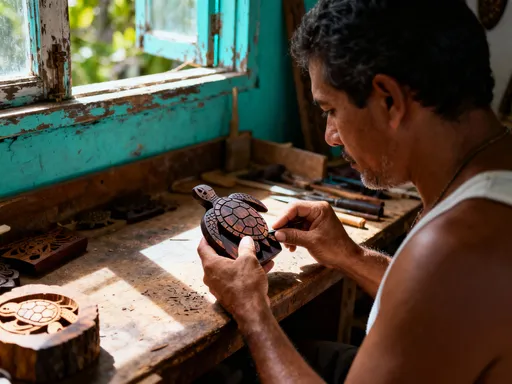
The market is laid out in covered walkways and open-air stalls, organized into sections by product type. One alley overflows with colorful textiles—hand-embroidered table runners, silk scarves, and cotton hanbok fabrics in soft pinks, blues, and ivories. Another section features kitchenware: copper pots, ceramic bowls, and wooden spoons carved with care. Vendors greet each other by name, pausing to chat between transactions, and many are happy to explain their products in simple English or through gestures and smiles. There’s no pressure to buy, only a quiet warmth that makes browsing feel like a privilege.
For food lovers, Hyoja Market is a treasure trove. Try hotteok, a sweet pancake filled with brown sugar, nuts, and cinnamon, cooked fresh on griddles. Or sample tteokbokki, the spicy rice cakes that have become a Korean staple, served in red sauce with fish cakes and boiled eggs. For something heartier, look for bindaetteok—mung bean pancakes fried until crispy, often served with a side of kimchi. These dishes aren’t just snacks; they’re part of a culinary tradition passed down through families, and eating them here feels deeply connected to place.
Shopping at Hyoja Market is different from buying in a mall. Items carry stories. A woven basket might have been made by a local artisan using techniques from her grandmother. A jar of homemade gochujang (fermented chili paste) could come from a family recipe handed down for decades. Even simple purchases—like a hand-sewn pouch or a bundle of dried persimmons—feel meaningful. This is retail with heart, where every exchange is a small human connection. For travelers, especially those who value authenticity, Hyoja Market offers a rare and rewarding experience.
Modern Retail in Suwon: From Malls to Hidden Boutiques
If traditional markets offer soul, Suwon’s modern shopping spaces deliver variety and comfort. Aura Mall, located near Suwon Station, is a prime example of contemporary retail done right. It’s not as massive as Seoul’s COEX or Shinsegae, but that’s part of its appeal. The mall strikes a balance—offering global brands like Uniqlo and Zara alongside popular Korean labels such as Stylenanda and Chuu. The layout is intuitive, the lighting is soft, and the rest areas are plentiful, making it ideal for families or those who want a relaxed shopping experience.
One of Aura Mall’s strengths is its seasonal events. During spring and autumn, the central atrium often hosts pop-up markets featuring local designers, handmade jewelry, and limited-edition collaborations. These temporary stalls add an element of surprise and discovery, encouraging repeat visits. The food court is another highlight, serving everything from Korean dumplings to Italian pasta, with seating that overlooks a small indoor garden. It’s a space designed for lingering, not just rushing between stores.
For travelers seeking more unique finds, the area around the Suwon Cultural Arts District is worth exploring. Here, independent boutiques and design studios line quieter streets, offering handcrafted goods that reflect modern Korean aesthetics. You might find a shop specializing in ceramic homeware, another selling minimalist fashion with traditional motifs, or a tiny gallery offering prints of local landscapes. These stores aren’t listed in every guidebook, which makes discovering them feel like a personal victory.
Compared to Seoul’s shopping districts, Suwon offers a more manageable experience. You won’t feel overwhelmed by crowds or choice paralysis. There’s no need to rush from Gangnam to Myeongdong in a single day. Instead, you can take your time, try on clothes without pressure, and enjoy a coffee between stores. The pace is slower, the service is attentive, and the overall atmosphere is welcoming. Whether you’re looking for a new wardrobe piece, a gift for a loved one, or just a pleasant way to spend an afternoon, Suwon’s modern retail scene delivers without the stress.
Scenic Spots That Enhance the Shopping Journey
One of Suwon’s quiet strengths is how seamlessly it blends shopping with moments of calm. Unlike cities where retail zones feel isolated from nature, Suwon integrates green spaces into the urban fabric. Manji Park is a perfect example. Nestled near the southern edge of the city center, this tranquil park offers walking paths, shaded benches, and a small stream that winds through the trees. After an hour of browsing in busy markets or malls, a stroll here feels restorative. The sound of rustling leaves replaces the buzz of conversation, and the air grows cooler under the canopy.
Manji Park is especially popular in spring, when cherry blossoms line the pathways, and in autumn, when maple leaves turn brilliant shades of red and gold. But even in summer and winter, it offers a peaceful pause. Parents bring children to play near the fountain; elderly couples sit together on benches, sharing a thermos of tea. The park doesn’t demand attention—it simply exists, offering stillness in the middle of motion. Taking a break here isn’t a detour; it’s part of the journey, a way to reset before returning to shopping with fresh energy.
Another serene spot is the lotus pond at Hwaseong Haenggung Palace. This secondary palace served as a royal residence during visits to the fortress and is now a beautifully maintained cultural site. In summer, the pond fills with blooming lotus flowers, their wide leaves and delicate pink blossoms floating on the surface. Visitors sit on the wooden deck, taking photos or simply watching the water. The surrounding pavilions, painted in traditional red and green, reflect in the pond, creating a scene that feels almost painted.
These scenic interludes do more than provide photo opportunities. They create emotional balance. Shopping can be exhilarating, but it can also be tiring—physically and mentally. By weaving in moments of quiet beauty, Suwon ensures that the experience feels holistic. You’re not just consuming; you’re absorbing. The city understands that true enjoyment comes from contrast—between activity and stillness, noise and silence, acquisition and appreciation. These green and historic spaces aren’t afterthoughts; they’re essential to what makes Suwon special.
Getting Around Suwon: Easy Transit for Maximum Exploration
Navigating Suwon is remarkably straightforward, even for first-time visitors. The city’s layout is intuitive, with major attractions clustered in the central area around the fortress and Suwon Station. Many key sites—including Hwaseong Fortress, Hyoja Market, and Aura Mall—are within comfortable walking distance of each other. Sidewalks are wide, well-lit, and mostly flat, making them accessible for travelers of all ages. Crosswalks are frequent, and traffic moves at a moderate pace, so crossing streets feels safe and stress-free.
For longer distances, public transportation is reliable and easy to use. Suwon Station is a major hub, served by Line 1 of the Seoul Metro, the Bundang Line, and frequent KTX high-speed trains. From here, local buses connect to outlying neighborhoods and cultural sites. Bus stops are clearly marked, and many have digital displays showing arrival times. While announcements are primarily in Korean, maps and route numbers are visual and easy to follow. A T-money card, available at convenience stores, can be used on both buses and subways, making transfers seamless.
One practical tip for shoppers: consider using a foldable tote bag. It’s lightweight enough to carry in your daypack but strong enough to hold souvenirs, snacks, or clothing purchases. Many stores in Suwon, especially smaller ones, do not provide plastic bags, so having your own is both convenient and eco-friendly. If you’re planning a full day of shopping and sightseeing, wear comfortable shoes—while the city is walkable, you’ll likely cover several kilometers by foot.
Another helpful strategy is to plan your route in a loop. Start at Paldalmun Gate, walk the fortress wall to Janganmun, descend into the city center, visit Hyoja Market, then head to Aura Mall. After shopping, unwind at Manji Park or Hwaseong Haenggung Palace before returning to the station. This route minimizes backtracking and maximizes efficiency. With good transit and thoughtful planning, you can experience the best of Suwon without feeling rushed or disoriented.
Why Suwon Deserves a Full-Day Itinerary
While it’s possible to see highlights in a few hours, Suwon truly reveals itself to those who stay longer. A full-day itinerary allows you to experience the city’s rhythm—the way morning light filters through fortress gates, how midday energy builds in the markets, and how evening brings a softer glow to the streets. You can begin with a quiet walk along the walls, have lunch at a local market stall, spend the afternoon shopping at your own pace, and end the day with street food under string lights.
This kind of unhurried exploration lets you feel the city’s pulse. You notice small details: the way a vendor arranges persimmons by size, how children laugh while flying kites in the park, the scent of roasted sweet potatoes on a cool afternoon. These moments don’t fit into a checklist, but they stay with you. Suwon doesn’t demand your attention; it earns it through consistency, warmth, and quiet beauty.
The value of spending a full day here lies in balance. You get the cultural richness of a historic site, the sensory joy of a lively market, the convenience of modern retail, and the peace of well-kept parks—all in one place. And unlike more tourist-heavy destinations, Suwon doesn’t feel crowded or over-commercialized. You can move freely, breathe deeply, and shop without pressure. It’s a city that respects your time and space.
Families, solo travelers, and small groups alike will find Suwon accommodating and enriching. It’s a place where you can buy a beautifully crafted ceramic cup and later sit by a pond, imagining the hands that shaped it. It’s where history isn’t behind glass but part of daily life. For travelers seeking authenticity without sacrificing comfort, Suwon offers a rare and satisfying blend.
Suwon proves that the best travel moments happen where culture, nature, and everyday life intersect. It’s not just what you buy—it’s how the city makes you feel.