You Gotta See These Phoenix Landmarks—They’re Absolutely Unreal
Phoenix isn’t just desert and sun (though, yeah, the sunshine’s epic). It’s packed with iconic landmarks that blend history, art, and jaw-dropping design. From towering art installations to ancient Native American sites, the city surprises at every turn. I’ve explored the must-see spots so you don’t miss a thing. Whether you're into culture, architecture, or just cool photo ops, Phoenix delivers—big time. These landmarks aren’t just places to check off a list; they’re invitations to connect with a region shaped by resilience, creativity, and deep cultural roots. For women juggling family, work, and personal time, a journey through Phoenix offers a rare chance to recharge, reflect, and rediscover beauty in unexpected forms.
Why Phoenix’s Landmarks Matter
Phoenix stands where desert meets destiny. Its landmarks are more than tourist stops—they’re testaments to how humans adapt, create, and honor the land. The city’s architecture doesn’t fight the environment; it embraces it. Buildings use natural stone, warm earth tones, and open-air designs that invite the sun without surrendering comfort. This harmony between structure and landscape reflects a deeper truth: living well in the desert means respecting its rhythms, not resisting them.
Equally important is the cultural layer beneath the surface. Long before skyscrapers, the Hohokam people thrived here, building canals that still influence modern water systems. Today’s landmarks carry echoes of that legacy. You see it in the petroglyphs etched into stone, the patterns in Native American textiles, and the reverence for nature embedded in public art. Visiting these sites isn’t just about sightseeing—it’s about understanding a place shaped by centuries of wisdom and survival.
For families and individuals alike, Phoenix’s landmarks offer grounding. In a world that often feels rushed and digital, standing beneath a red rock formation or walking through a museum filled with ancestral art brings a sense of presence. These experiences remind us of continuity—how past, present, and future connect through place. That emotional resonance is what makes Phoenix special. It doesn’t just dazzle the eyes; it touches the heart.
Heard Museum: Where Culture Comes Alive
No single place captures the soul of the Southwest quite like the Heard Museum. Located just north of downtown Phoenix, this cultural gem has been preserving and celebrating Native American art and history since 1929. Founded by Dwight and Maie Heard, the museum began as a personal collection but quickly grew into one of the most respected institutions of its kind. Today, it houses over 40,000 objects, including baskets, pottery, jewelry, and textiles from more than 250 Indigenous communities.
What sets the Heard apart is its commitment to authenticity and community involvement. Exhibits are curated in collaboration with Native artists and elders, ensuring cultural accuracy and respect. One of the most powerful displays is Hearts of Our People, a groundbreaking exhibition that spotlighted the contributions of Native women artists across generations. Walking through this space, visitors feel the strength, creativity, and spiritual depth embedded in every piece.
The museum’s architecture enhances the experience. Adobe-style buildings with thick walls and shaded courtyards blend seamlessly into the desert landscape. Lush native plants surround the pathways, offering cool respite and a connection to the natural world. Inside, natural light filters softly through high windows, illuminating artworks without glare or distraction.
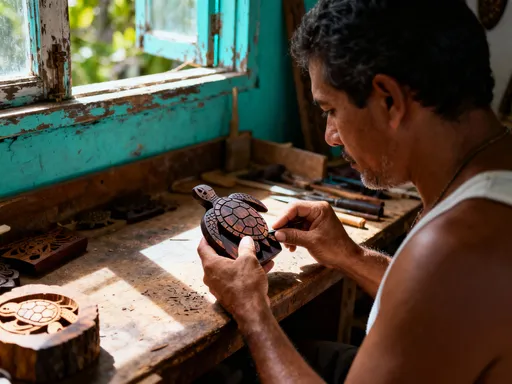
For families, the Heard offers hands-on activities, storytelling sessions, and seasonal events like the annual Indian Fair & Market, where hundreds of artists gather to share their work. If you visit, plan to arrive early in the day when crowds are lighter. Check the schedule for live demonstrations—watching a potter shape clay or a weaver create intricate patterns adds a human dimension that static displays can’t match. This isn’t just a museum; it’s a living celebration of enduring cultures.
Camelback Mountain: A Natural Icon
Rising dramatically from the heart of the city, Camelback Mountain is one of Phoenix’s most recognizable natural landmarks. Its silhouette—two humps resembling a kneeling camel—dominates the skyline and draws thousands of hikers each year. While challenging, the climb rewards with panoramic views that stretch across the valley, making it a favorite among locals and visitors alike.
There are two main trails: Echo Canyon and Cholla. Echo Canyon is steeper and more rugged, featuring metal railings and rock scrambles that require both strength and focus. Cholla Trail, on the southern face, is slightly less intense but still demanding. Both routes are approximately 2.5 miles round trip with around 1,280 feet of elevation gain. While not technical climbs, they do require preparation, especially during warmer months.
The best time to hike is in the cooler months—November through March—when morning temperatures range from 50 to 70 degrees Fahrenheit. Summer hikes are possible only at dawn, and even then, extreme heat poses risks. Proper footwear with good grip, plenty of water (at least two liters), and sun protection are non-negotiable. Many hikers carry trekking poles for stability on loose gravel sections.
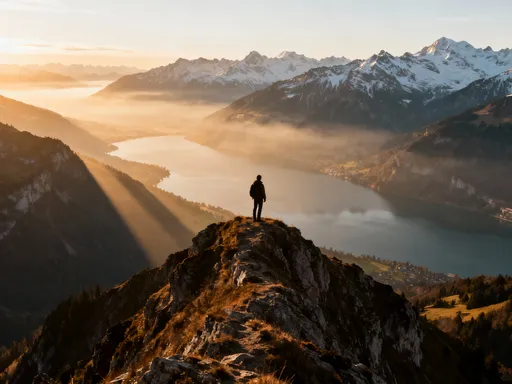
Reaching the summit at sunrise is an unforgettable experience. As the first light hits the desert floor, the city slowly wakes beneath a golden glow. Saguaros cast long shadows, and the air carries a quiet stillness broken only by the wind. For many women who visit—whether alone, with friends, or as a family challenge—this moment becomes symbolic. It’s proof of what determination and self-care can achieve. The mountain doesn’t offer easy victories, but the view from the top makes every step worthwhile.
Arizona State Capitol & Capitol Park
In the heart of downtown Phoenix, the Arizona State Capitol stands as a monument to democracy and design. Completed in 1901, the building served as the seat of state government until 1960, when newer legislative offices were constructed nearby. Today, it operates as the Arizona Capitol Museum, offering free public tours that blend history, architecture, and civic pride.
The most striking feature is the copper dome—a nod to Arizona’s mining heritage. Copper has played a vital role in the state’s economy for over a century, and the dome’s green patina reflects both time and industry. Inside, the rotunda soars with natural light, and marble floors echo footsteps like whispers from the past. Exhibits trace Arizona’s journey from territory to statehood, highlighting key figures, laws, and social changes.
One of the most touching displays is the time capsule sealed beneath the cornerstone in 1900. It contains newspapers, coins, and letters from territorial leaders, scheduled to be opened in 2100. Standing near it, visitors feel a tangible link to those who shaped the state’s foundation. Interactive panels allow children and adults alike to explore how government functions, making civics accessible and engaging.
Just outside, Capitol Park transforms the grounds into an open-air sculpture garden. Once a traditional lawn, it now features rotating installations from local and national artists. Benches shaded by mesquite trees invite quiet reflection, while families picnic under the wide Arizona sky. The park also hosts seasonal events like holiday markets and cultural festivals, reinforcing its role as a community hub. Together, the Capitol and its park offer a space where history, art, and everyday life intersect.
Roosevelt Row: Street Art Meets Urban Revival
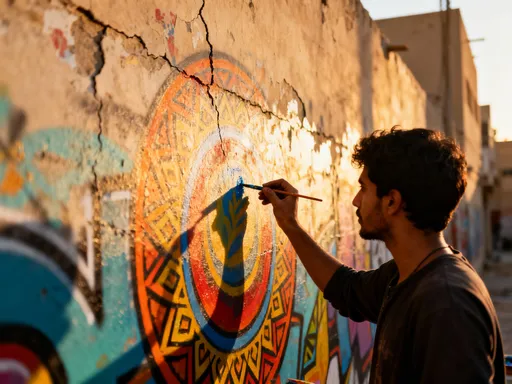
If Phoenix has a creative pulse, it beats strongest in Roosevelt Row. Located just east of downtown, this once-industrial corridor has evolved into the city’s premier arts district. Colorful murals cover nearly every available wall, shifting with the seasons as new artists contribute to the ever-changing canvas. What was once a quiet stretch of warehouses is now alive with galleries, boutique shops, coffee houses, and craft breweries.
The transformation began in the early 2000s, driven by local artists seeking affordable studio space. Community leaders and city planners recognized the potential and invested in infrastructure, lighting, and public programs. Today, Roosevelt Row hosts First Fridays—a monthly event where galleries stay open late, musicians perform on street corners, and food trucks line the sidewalks. Thousands attend, drawn by the energy and authenticity of the scene.
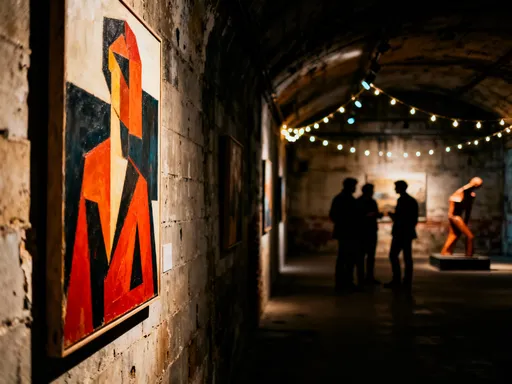
Walking through Roosevelt Row feels like stepping into a living gallery. One block might feature a massive phoenix rising from flames, symbolizing renewal. Another displays intricate geometric patterns inspired by Native textiles. Some murals carry social messages about sustainability or unity, while others simply celebrate color, form, and imagination. Every visit offers something new, as old pieces are painted over and fresh works emerge.
For families and solo explorers alike, the best way to experience Roosevelt Row is on foot. Start at the Roosevelt公交 station, where the original 1920s depot building now serves as an information center. Pick up a self-guided tour map or download the mobile app to learn about the artists and stories behind the art. Visit during daylight to appreciate details, then return for First Friday to feel the neighborhood’s vibrant nightlife. Local guides also offer themed walking tours, focusing on history, architecture, or specific artists. This is urban renewal done right—creative, inclusive, and full of heart.
Papago Park & Hole-in-the-Rock: Geology That Feels Otherworldly
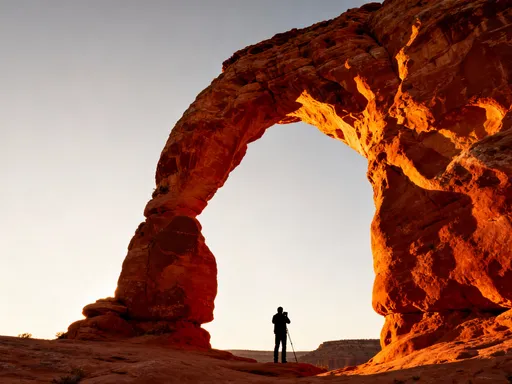
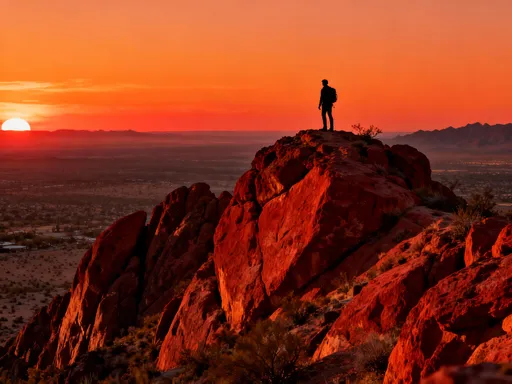
Just minutes from downtown, Papago Park offers a striking contrast to the urban landscape. Spanning over 1,200 acres, this desert oasis is home to dramatic red sandstone formations sculpted by wind and water over millions of years. The most famous feature is Hole-in-the-Rock, a natural aperture in a weathered rock formation that frames the city skyline in a surreal way. At sunrise and sunset, the light turns the rocks a fiery red, creating some of the most photographed views in Phoenix.
The geology here tells an ancient story. These rocks were formed over 15 million years ago during volcanic activity. Layers of sediment and ash hardened into sandstone, then tilted upward by tectonic forces. Erosion did the rest, carving caves, tunnels, and balanced boulders that look almost artificial in their precision. Interpretive signs along the trails explain the science in simple terms, making it an excellent destination for curious minds of all ages.
Hole-in-the-Rock Trail is a short, family-friendly path—less than a mile round trip and mostly flat. It’s stroller-accessible in most sections, making it ideal for young children. The trail loops around the formation, offering multiple vantage points. Climbing onto the rocks is allowed in designated areas, but visitors are encouraged to tread lightly to preserve the fragile surface.
Photographers love this spot for golden hour shots. The combination of clear skies, warm rock tones, and distant city views creates depth and drama. Bring a wide-angle lens for landscape shots or use a smartphone for intimate details like lichen patterns or desert wildflowers after a rain. Nearby trails like the Desert Botanical Loop and Kiwanis Trail offer longer hikes through cactus-filled terrain, with views of Camelback Mountain in the distance. Papago Park also hosts outdoor yoga classes, birdwatching groups, and nature walks, reinforcing its role as a community wellness space.
Frank Lloyd Wright’s Taliesin West: A Masterpiece in the Desert
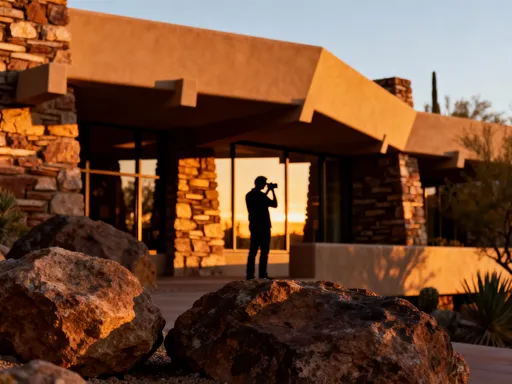
Nestled against the McDowell Mountains in Scottsdale, Taliesin West is more than a house—it’s a philosophy made visible. Designed by Frank Lloyd Wright in 1937 as his winter home and architectural school, the compound embodies his principle of organic architecture: buildings should exist in harmony with their environment. Constructed from local stone, redwood, and glass, the structures seem to grow naturally from the desert floor.
Wright and his apprentices built the site by hand, using desert rocks gathered on-site and sand from nearby washes. Walls were created by stacking stones in wooden forms and filling them with concrete—a technique Wright called “desert masonry.” Flat roofs extend outward, providing shade, while large glass panels dissolve the boundary between inside and outside. Even today, the integration feels revolutionary.
Visitors can explore Taliesin West through guided tours, ranging from one-hour overviews to in-depth three-hour experiences. The most popular tour takes guests through the drafting studio, cabaret theater, and Wright’s private living quarters. Standing in the sunken living room, surrounded by stone walls and mountain views, it’s easy to feel the quiet genius that inspired generations of architects.
The site also functions as the home of the School of Architecture at Taliesin, continuing Wright’s educational legacy. Students live and work on-site, following many of the same principles established nearly a century ago. Seasonal events, lectures, and exhibitions keep the space dynamic and accessible. For women interested in design, history, or personal reinvention, Taliesin West offers deep inspiration. It’s a reminder that beauty, function, and purpose can coexist—and that creativity flourishes when rooted in place.
Wrapping Up: How These Landmarks Define Phoenix
Phoenix is often misunderstood. Some see only heat and highways. But those who take the time to explore discover a city rich with meaning, memory, and visual wonder. Each landmark tells a story—of ancient cultures, natural forces, artistic courage, and human ingenuity. Together, they form a mosaic that defines Phoenix not just as a place, but as a feeling.
The Heard Museum honors the enduring spirit of Native communities. Camelback Mountain challenges us to rise above our limits. The State Capitol grounds connect us to shared history and civic responsibility. Roosevelt Row proves that creativity can transform neglected spaces into sources of joy. Papago Park reminds us of Earth’s slow, majestic artistry. And Taliesin West shows how vision, when aligned with nature, becomes timeless.
For women managing busy lives, these experiences offer more than entertainment—they offer renewal. A morning hike clears the mind. A quiet moment in a museum restores perspective. A vibrant street mural sparks joy. Travel doesn’t have to mean faraway destinations; sometimes, the most meaningful journeys happen close to home.
As you plan your visit, go with curiosity and respect. Arrive early to avoid the heat. Bring water, sunscreen, and a camera. Talk to locals, read the signs, and let yourself be surprised. Let the desert sun warm your skin and the red rocks anchor your thoughts. Phoenix’s landmarks aren’t just sights to see—they’re invitations to slow down, look closely, and remember what matters. In a world that never stops moving, that might be the most valuable gift of all.