You Won’t Believe What Lies Beneath Recife’s Coast
Tucked along Brazil’s northeastern shoreline, Recife is more than just sun and surf—it hides a geological wonder few travelers ever see. Beneath its bustling city life lies a surreal world of tidal pools, mangrove-carved channels, and sandstone formations shaped by centuries of ocean dance. I stumbled upon this secret landscape by accident—and it changed how I see coastal travel forever. This is nature’s art, revealed only at low tide, waiting quietly beneath the surface. What appears at first glance to be a typical tropical coastline transforms daily into an expansive natural stage where geology, biology, and time perform in harmony. Few destinations offer such a dynamic interplay between land and sea, and even fewer invite exploration with such intimacy and awe.
The Hidden Face of Recife: Beyond the Postcard
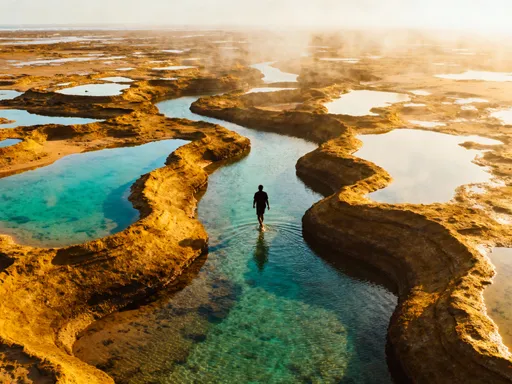
When most travelers think of Recife, they envision white-sand beaches, rhythmic samba beats, and colorful colonial buildings lining cobblestone streets. While these elements are undeniably part of the city’s charm, they only scratch the surface of what this coastal region truly offers. Beneath the postcard-perfect imagery lies a hidden dimension—one that emerges not in brochures but in the quiet hours between tides. Along stretches of coastline such as Porto de Galinhas and Paiva Beach, vast natural rock pools appear like secret gardens when the ocean retreats. These formations are not the result of human design; they are ancient sandstone structures shaped over millennia by wave action, tidal rhythms, and coastal erosion.
What makes these tidal pools so extraordinary is their unpredictability. Unlike static attractions that remain unchanged regardless of the time of day, these natural basins shift with the lunar cycle, revealing new passages, hidden grottos, and vibrant marine life only during low tide. The contrast between high and low tide is dramatic—where swimmers float above coral reefs in the morning, by afternoon visitors can walk across exposed platforms teeming with small fish, crabs, and sea anemones. This ever-changing environment creates a unique travel experience, one that rewards patience, timing, and a willingness to look beyond the obvious.
Yet, many tourists miss this phenomenon entirely because they do not plan around the tides. Most beachgoers arrive midday, when the water has returned, covering the intricate network of pools and channels. Without understanding the rhythm of the sea, they see only half the story. The true marvel of Recife’s coast is not in its permanence but in its transience—a fleeting glimpse into a world that exists between the waves, visible for just a few hours each day before disappearing again beneath the surface.
When Nature Pulls Back the Curtain: The Science of the Tides
The magic of Recife’s submerged landscape hinges on a predictable yet powerful natural force: the tide. The northeastern coast of Brazil experiences semi-diurnal tides, meaning there are two high tides and two low tides every 24 hours. What sets this region apart is the amplitude of the tidal range—sometimes dropping as much as three meters. This significant ebb exposes large sections of reef, rock platforms, and tidal channels that remain underwater for most of the day. It is during these low tide windows that the coast’s geological artistry becomes visible.
Geologically, these formations belong to the Barreiras Formation, a sedimentary layer composed primarily of sandstone and clay deposits laid down over millions of years. As ocean currents and wave energy continuously shape the coastline, softer materials erode faster, leaving behind harder sandstone structures that form natural pools, arches, and channels. These wave-cut platforms are not random—they follow patterns dictated by the direction and strength of prevailing winds and currents, creating a landscape that is both chaotic and ordered, wild yet intricately designed by nature.
Marine biologists recognize these exposed zones as vital micro-ecosystems. When the tide recedes, it leaves behind isolated pockets of seawater in the rock pools—each a self-contained habitat where juvenile fish, hermit crabs, sea urchins, and mollusks find refuge. Some pools host rare species adapted specifically to the fluctuating conditions of temperature, salinity, and oxygen levels. These environments serve as nurseries for marine life and play a crucial role in sustaining local biodiversity. Understanding this delicate balance underscores why visiting at the right time is not just beneficial for the visitor—it is essential for appreciating the full ecological significance of the site.
Porto de Galinhas: The Gateway to the Tidal Pools
For many travelers, the journey into Recife’s hidden coastal world begins in Porto de Galinhas, a picturesque fishing village located about an hour’s drive south of the city. Known for its calm, turquoise waters and thriving coral reefs, Porto de Galinhas transforms completely at low tide. As the ocean pulls back, dozens of natural tidal pools—locally known as *poças naturais*—emerge across the flat expanse of the reef. These pools vary in size and depth, some shallow enough to wade through, others deep enough to support snorkeling adventures without ever entering open water.
Walking through these pools feels like stepping into a living aquarium. The water remains warm and clear, allowing unobstructed views of starfish clinging to rocks, anemones swaying gently in the current, and schools of tiny silver fish darting between coral fragments. Local guides, often lifelong residents with deep knowledge of the tides and marine life, lead visitors from pool to pool, pointing out hidden creatures and explaining their roles in the ecosystem. Their presence enhances the experience, turning a casual stroll into an immersive lesson in marine biology and coastal ecology.
The ideal time to visit is early in the morning on a day with a particularly low tide—sometimes referred to as a “negative tide” when the water level drops below the average low mark. During these conditions, the maximum area of reef is exposed, offering the most extensive exploration opportunities. Crowds are smaller, the light is soft and golden, and the atmosphere is serene. This is not a place for lounging under umbrellas or sipping cocktails—it is a destination for discovery, for those who come not to escape the world but to engage with it more deeply.
Paiva Beach: Where the Sandstone Tells a Story
Further south along the coast lies Paiva Beach, a more secluded and dramatically sculpted stretch of shoreline that offers an even more profound encounter with nature’s craftsmanship. Accessible via a wooden walkway that winds through preserved coastal vegetation, Paiva Beach protects both its fragile dune ecosystem and the visitor experience. Once you reach the sand, the true scale of the geological wonder unfolds. Massive wave-cut platforms stretch hundreds of meters offshore, carved into the hard sandstone by centuries of relentless wave action.
The rock formations here resemble abstract sculptures—rippled surfaces mimic flowing fabric, deep pits suggest ancient impacts, and winding channels look like rivers frozen in stone. Some areas feature natural arches and small grottos formed by differential erosion, where softer layers of rock wore away faster than the surrounding material. Walking across this terrain at low tide feels like traversing another planet, one shaped by water rather than wind or ice. Each step reveals new textures, colors, and patterns etched into the stone, telling a silent story of time, pressure, and persistence.
Because of its ecological sensitivity, access to Paiva Beach is carefully managed. Visitor numbers are limited, and certain zones are closed during breeding seasons for native birds and marine species. There are no vendors, no loud music, no beach chairs—only the sound of the waves and the occasional call of a seabird. This intentional minimalism preserves the sense of solitude and reverence that defines the place. It is not designed for mass tourism but for mindful travelers who seek connection over convenience, wonder over distraction.
How to Experience It Right: Timing, Gear, and Local Insight
To fully appreciate the natural wonders of Recife’s coastline, preparation is key. The single most important factor is timing. Tide charts should be consulted daily, as even a one-hour difference can determine whether you witness the pools in full splendor or find them already submerged. Many local hotels, tour operators, and visitor centers provide updated tide schedules, and some even offer alerts via messaging apps. Aim for a visit during the first few hours after low tide, when the water has receded but the sun is still low in the sky, minimizing glare and enhancing underwater visibility.
Proper footwear is essential. The sandstone surfaces, while stunning, can be sharp and slippery, especially when covered with algae or wet from residual seawater. Sturdy water shoes with good grip protect your feet and provide stability on uneven terrain. A small backpack with essentials—snorkel gear, biodegradable sunscreen, a wide-brimmed hat, and a bottle of fresh water for rinsing off salt—will enhance comfort and safety. Avoid wearing flip-flops or going barefoot, as injuries from sharp rocks or hidden sea urchins are not uncommon.
Perhaps the most valuable investment is hiring a local guide. These individuals bring generations of knowledge about the tides, marine life, and safe pathways across the reef. They know which pools are likely to host starfish today, where octopuses hide during low tide, and which areas should be avoided to prevent disturbing nesting sites. Their insights transform a simple walk into a richly layered experience, deepening your understanding of the environment. Moreover, supporting local guides contributes directly to the community and promotes sustainable tourism practices.
Plan to spend at least two hours exploring, allowing time to move slowly, observe closely, and absorb the surroundings. Rushing defeats the purpose. This is not a checklist destination but a sensory journey—one that rewards stillness, curiosity, and respect for the natural world.
Why This Matters: Conservation and Conscious Travel
The beauty of Recife’s tidal landscapes is matched only by their fragility. These ecosystems take decades, even centuries, to form, yet they can be damaged in moments. Trampling on coral fragments, removing shells or marine life, leaving behind litter, or straying from designated paths can have lasting consequences. Even seemingly harmless actions—like stepping on a patch of algae-covered rock—can disrupt microbial communities that play a vital role in the reef’s health.
Recognizing this vulnerability, local environmental organizations and government agencies have launched conservation initiatives to protect these areas. Educational campaigns encourage visitors to “take only photos, leave only footprints,” emphasizing the importance of non-invasive tourism. Certain zones are now designated as protected areas, with restricted access during sensitive periods such as fish spawning seasons or bird nesting months. Some beaches require advance reservations or guided entry to manage foot traffic and minimize impact.
Responsible travel means more than just following rules—it means adopting a mindset of stewardship. This includes staying on marked trails, avoiding contact with marine animals, refraining from feeding fish, and carrying out all waste. It also means choosing eco-certified tour operators, supporting businesses that prioritize sustainability, and spreading awareness among fellow travelers. When we approach nature with humility and care, we help ensure that these hidden wonders remain intact for future generations to discover.
Beyond the Tide: A New Way to See Coastal Travel
The tidal pools of Recife offer more than just a scenic diversion—they invite a fundamental shift in how we experience the coast. In an age of fast travel and curated itineraries, where destinations are often reduced to photo opportunities and social media highlights, Recife’s hidden terrain reminds us of the value of slowness, observation, and presence. The most memorable moments are not always the loudest or most advertised; sometimes, they occur in silence, beneath the surface, revealed only to those who wait.
This landscape teaches us to look deeper—not just at the coast, but at travel itself. Instead of rushing from one landmark to the next, we begin to notice the subtle details: the way light filters through a tidal pool, the pattern of ripples in the sandstone, the quiet resilience of a crab navigating its rocky home. These small wonders accumulate into a richer, more meaningful journey—one rooted in connection rather than consumption.
The tide will always return, covering the pools, erasing the pathways, restoring the sea to its dominant position. But what it cannot wash away is the shift in perspective that occurs when we witness nature’s hidden artistry. The coast is not a static backdrop for relaxation; it is a living, breathing system, constantly reshaping itself in response to forces far greater than human will. For those willing to adjust their schedules, wear the right shoes, and walk with care, the earth offers its quietest, most breathtaking secrets—not as rewards, but as invitations to see the world anew.