Lost in the Thatched Roofs of Shirakawa-go
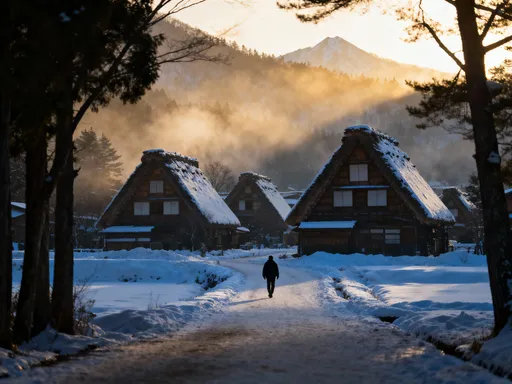
Nestled in the misty mountains of central Japan, Shirakawa-go feels like stepping into another century. Its iconic gassho-style farmhouses, with steep thatched roofs resembling hands in prayer, have sheltered families for over 250 years. I wandered narrow paths blanketed in snow, breath fogging the air, utterly spellbound by the quiet beauty of this UNESCO village. This is not just travel—it’s time travel. In a world where modernity advances with relentless speed, Shirakawa-go stands as a gentle defiance, a place where tradition is not reenacted but lived. Here, every wooden beam tells a story, every snow-laden roof whispers of resilience, and every quiet lane invites contemplation. It is a journey not only across geography but through generations.
Discovering Shirakawa-go: A Village Frozen in Time
Shirakawa-go lies in a remote valley within Gifu Prefecture, cradled by the rugged Hida mountains. This secluded location, once a barrier to travel, is now a key reason for its preservation. Cut off from major trade routes and urban development, the village evolved in relative isolation, allowing its unique culture and architecture to flourish undisturbed. Recognized as a UNESCO World Heritage Site in 1995, Shirakawa-go is celebrated not only for its aesthetic charm but for its embodiment of sustainable rural life. The name itself—Shirakawa-go, meaning "white heron village"—evokes poetry, likening the upward sweep of the gassho-zukuri roofs to the wings of a heron taking flight.
Access to the village is straightforward yet scenic, typically by highway bus from nearby towns such as Takayama or Kanazawa. The journey itself enhances the sense of arrival, as winding mountain roads give way to a landscape softened by forest and mist. There are no train lines, no sprawling hotels—just the quiet hum of nature and the occasional chime of a temple bell. This deliberate inaccessibility has helped protect Shirakawa-go from overdevelopment, preserving its authenticity. While tourism has grown, the village maintains a rhythm rooted in tradition rather than commercial appeal.
Each season paints Shirakawa-go in a different light, but it is winter that captures the imagination most vividly. From December through February, the village is often blanketed in thick snow, sometimes reaching depths of two meters. The heavy white layers settle on the gassho roofs like powdered sugar, transforming the settlement into what many describe as a real-life snow globe. The annual light-up events, held on select evenings, illuminate around 20 of the most iconic homes, casting a golden glow across the snow and drawing visitors from around the world. Yet even then, the atmosphere remains reverent, hushed—more pilgrimage than spectacle.
The Gassho-Zukuri Houses: Architecture Born of Necessity
The defining feature of Shirakawa-go is its gassho-zukuri farmhouses, architectural marvels shaped by centuries of adaptation to climate and lifestyle. The term "gassho" means "hands in prayer," a reference to the steep, triangular rooflines that rise sharply into the sky. These roofs, often angled at 60 degrees, were designed with a single practical purpose: to withstand the region’s heavy snowfall without collapsing. The steep pitch allows snow to slide off naturally, while the immense height creates expansive attic spaces essential for sericulture—the raising of silkworms—which was once the economic backbone of the village.
What makes these homes even more remarkable is their construction. Built without nails, they rely entirely on interlocking wooden joints, a technique passed down through generations of local carpenters. The framework is assembled using massive cedar and cypress beams, secured with hemp ropes and wooden pegs. This method not only demonstrates advanced craftsmanship but also allows the structures to flex slightly during earthquakes—a crucial advantage in a seismically active region. Some of these homes soar over 20 meters in height, with multiple levels connected by narrow wooden staircases. Entire extended families once lived under one roof, with human and animal life coexisting on the lower floors for warmth during harsh winters.
The materials used are entirely natural and locally sourced. Thatch is made from miscanthus reed, cut from nearby wetlands and bundled by hand. Each roof requires several tons of reed and can take up to two weeks to replace—a process known as yui, traditionally carried out by the entire community in a single, cooperative effort. This collective tradition, still practiced today, reinforces social bonds and ensures the survival of ancestral skills. Sustainability is not a modern concept here; it is embedded in every aspect of life. The same reeds that insulate homes also return to the earth when replaced, leaving no waste behind.
Inside the Homes: Living with the Seasons
Stepping inside a gassho-zukuri farmhouse is like entering a living museum of rural Japanese life. The ground floor was historically shared between humans and livestock—a practical arrangement that maximized warmth. Cattle and silkworms were kept below, their body heat rising through the wooden floors to warm the living quarters above. At the heart of each home sits the irori, a sunken hearth in the central room where families gathered for cooking, warmth, and conversation. This open fire was more than a utility; it was the emotional and spiritual center of the household.
Smoke from the irori rose through the attic spaces, serving a dual purpose. It helped dry the thatch, preventing rot, and its natural compounds acted as insect repellent, protecting the delicate silk threads stored above. This ingenious use of smoke exemplifies the villagers’ deep understanding of their environment—transforming a byproduct into a functional necessity. The upper floors, dimly lit and filled with the scent of aged wood, were used for silkworm rearing. Bamboo trays held the tiny creatures, fed meticulously on mulberry leaves, with temperature and humidity carefully managed through ventilation flaps in the roof.
While most homes remain private residences, a few, such as the historic Wada House, are open to visitors. These guided tours offer a rare glimpse into pre-modern domestic life, complete with antique tools, traditional clothing, and preserved storage areas. What stands out is not opulence but resourcefulness—the way every corner was optimized, every material reused, every season anticipated. Even today, families in Shirakawa-go follow rhythms dictated by nature: storing food in winter, planting in spring, harvesting in autumn. Modern appliances exist, but they blend quietly into a way of life that values patience, preparation, and presence.
Ogimachi Village: The Heart of the Experience
Ogimachi is the largest of the three settlements that make up Shirakawa-go, home to approximately 50 gassho-zukuri houses and the primary destination for visitors. Its layout follows the natural contours of the land, with homes clustered along the Shogawa River and connected by stone pathways and wooden bridges. The village is small enough to explore on foot, yet rich in detail—every turn offering a new perspective, a fresh composition of rooflines against sky and snow.
One of the most celebrated viewpoints is Shiroyama Park, a short uphill walk from the village center. From this elevated spot, visitors are rewarded with a panoramic vista of Ogimachi, especially breathtaking at sunrise when the first light gilds the snowy rooftops. The Homura Bridge, spanning the river, provides another iconic scene—the reflection of the thatched houses shimmering in the water, particularly during the winter light-ups. These images have become synonymous with Shirakawa-go, reproduced in travel brochures and photography exhibitions worldwide.
Despite its fame, Ogimachi retains a sense of intimacy. Small museums, such as the Former Yosaki Family House, offer insights into local history and craftsmanship. Craft shops sell handmade washi paper, lacquered tableware, and woven textiles—each item bearing the mark of skilled artisans. Local eateries, often family-run, serve regional specialties like hida beef, known for its marbling and tenderness, and soba noodles made from buckwheat grown in nearby fields. Meals are simple but deeply satisfying, emphasizing seasonal ingredients and traditional preparation methods. There are no fast-food chains, no loud advertisements—just the quiet pride of local hospitality.
Seasons of Shirakawa-go: When to Visit and Why It Matters
The beauty of Shirakawa-go shifts dramatically with the seasons, each offering a distinct experience. Winter, from December to February, is the most popular time to visit, thanks to the heavy snowfall and the celebrated light-up events. On six designated evenings between January and February, the village dims its regular lights and illuminates select homes with thousands of soft bulbs, creating a dreamlike atmosphere. Tickets are limited and must be reserved in advance, a measure designed to protect the fragile environment and ensure a respectful visitor experience.
Spring, from March to May, brings a gentle thaw. Snowmelt feeds the streams, and plum blossoms begin to appear along the riverbanks. This is a quieter time to visit, with fewer crowds and mild temperatures ideal for walking. The landscape turns from white to soft green, and the air carries the scent of damp earth and budding foliage. It is also the season when reed harvesting begins, a quiet but vital activity that sustains the village’s architectural traditions.
Summer, from June to August, transforms Shirakawa-go into a lush, green retreat. Rice paddies glow in emerald hues, and fireflies emerge at dusk, flickering over the water like living stars. The weather is warm but not oppressive, and the surrounding forests invite hiking and birdwatching. This is an excellent time to experience local festivals, such as the Doburoku Matsuri, a centuries-old celebration featuring unfiltered sake and traditional music. The village pulses with life, yet never loses its serenity.
Autumn, from September to November, paints the mountains in fiery reds, oranges, and golds. The changing leaves reflect in the river, creating a mirror image of the forested slopes. This season attracts photographers and nature lovers, drawn to the vibrant colors and crisp air. It is also the time of harvest, when families gather rice and prepare for the coming winter. Accommodations during peak seasons—especially winter and autumn—should be booked well in advance. Options range from minshuku (family-run inns) to temple lodgings, where guests can experience shojin ryori (Buddhist vegetarian cuisine) and morning meditation.
Beyond the Postcard: Respecting a Living Community
It is essential to remember that Shirakawa-go is not a theme park or a reconstructed village—it is a living, breathing community. Around 50 households still call this place home, many of them descendants of families who have lived here for generations. The gassho-zukuri houses are not museum exhibits; they are homes, workplaces, and ancestral legacies. This distinction shapes how visitors should engage with the village.
Tourism brings economic benefits, but it also poses challenges. Foot traffic, noise, and improper photography can disrupt daily life and damage fragile thatch roofs. To address this, local authorities have implemented thoughtful regulations. During light-up events, access is strictly controlled, with shuttle buses and timed entry to prevent overcrowding. Flash photography is prohibited near homes, as the sudden light can disturb residents and damage interior materials. Drones are banned to protect privacy and the natural soundscape.
Travelers are encouraged to move quietly, speak softly, and stay on designated paths. Respect extends beyond rules—it includes supporting local businesses, purchasing crafts directly from artisans, and dining at family-run restaurants. These choices ensure that tourism enriches the community rather than exploiting it. Visitors who approach Shirakawa-go with humility and curiosity often leave with more than photographs—they carry a deeper understanding of resilience, sustainability, and the quiet dignity of rural life.
How to Plan Your Visit: Logistics Made Simple
Planning a trip to Shirakawa-go requires some preparation, but the effort is well worth the reward. The most common routes begin in Takayama or Kanazawa, both accessible by train from major cities like Tokyo, Nagoya, or Kyoto. From either town, travelers take a direct highway bus to Ogimachi, a journey that takes about 50 minutes from Takayama and 90 minutes from Kanazawa. Bus schedules are reliable but limited, especially in winter, so checking timetables in advance is crucial.
For those seeking fewer crowds, visiting early in the morning or during the shoulder seasons—late spring or early autumn—is ideal. While winter offers the most dramatic visuals, it also brings logistical challenges, including snow-covered roads and potential delays. Renting a car is possible but not recommended in winter due to difficult driving conditions. Parking is available at the visitor center, from which a short shuttle ride takes guests into the village center.
Admission to the village itself is free, though some attractions charge small fees—typically around 300 to 500 yen for entry to historic homes or museums. Overnight stays provide a more immersive experience, with several minshuku offering traditional Japanese accommodations, including futon beds, shared baths, and home-cooked meals. Some inns even allow guests to participate in local activities, such as noodle-making or thatch-rope weaving.
To deepen the cultural journey, consider extending the trip to include nearby Gokayama, another UNESCO-listed village with similar architecture, or the historic town of Takayama, known for its well-preserved merchant district and morning markets. Together, these destinations offer a fuller picture of the Hida region’s heritage. Always check weather conditions before departure, especially in winter, as mountain roads may close due to snow. Packing warm, waterproof clothing and sturdy walking shoes is essential for comfort and safety.
Conclusion: More Than a Destination—A Dialogue with the Past
Shirakawa-go is more than a picturesque village—it is a testament to human ingenuity, cultural continuity, and harmony with nature. In its quiet lanes and towering thatched roofs, we find echoes of a way of life shaped by necessity, wisdom, and deep respect for the environment. This is not a place frozen in time, but one that moves forward while holding fast to its roots. Each generation repairs the roofs, tends the land, and welcomes visitors not as spectators, but as guests.
In a world that often values speed over substance, Shirakawa-go invites us to pause. It asks us to consider what truly endures—not the latest technology or trend, but the values of community, resilience, and care for future generations. To walk through this village is to engage in a silent dialogue with the past, one that speaks not through words, but through wood, fire, and snow. It reminds us that beauty can be functional, that tradition can be sustainable, and that the simplest lives often hold the deepest wisdom. For the traveler seeking meaning as much as scenery, Shirakawa-go offers a journey that lingers long after the footprints in the snow have faded.